Some date to the time of the Aquiry civilization ͏ ͏ ͏ ͏ ͏ ͏ ͏ ͏ ͏ ͏ ͏ ͏ ͏ ͏ ͏ ͏ ͏ ͏ ͏ ͏ ͏ ͏ ͏ ͏ ͏ ͏ ͏ ͏ ͏ ͏ ͏ ͏ ͏ ͏ ͏ ͏ ͏ ͏ ͏ ͏ ͏ ͏ ͏ ͏ ͏ ͏ ͏ ͏ ͏ ͏ ͏ ͏ ͏ ͏ ͏ ͏ ͏ ͏ ͏ ͏ ͏ ͏ ͏ ͏ ͏ ͏ ͏ ͏ ͏ ͏ ͏ ͏ ͏ ͏ ͏ ͏ ͏ ͏ ͏ ͏ ͏ ͏ ͏ ͏ ͏ ͏ ͏ ͏ ͏ ͏ ͏ ͏ ͏ ͏ ͏ ͏ ͏ ͏ ͏ ͏ ͏ ͏ ͏ ͏ ͏ ͏ ͏ ͏ ͏ ͏ ͏ ͏ ͏ ͏ ͏ ͏ ͏ ͏ ͏ ͏ ͏ ͏ ͏ ͏ ͏ ͏ ͏ ͏ ͏ ͏ ͏ ͏ ͏ ͏ ͏ ͏ ͏ ͏ ͏ ͏ ͏ ͏ ͏ ͏ ͏ ͏ ͏ ͏ ͏ ͏
July 29, 2026—How mental exhaustion affects our choices, the Genesis AI project, and tens of thousands of "earthworks" may be undiscovered in the Amazon.
—Andrea Gawrylewski
Chief Newsletter Editor
P.S. Science is more fun with friends! Hit "forward" and share this newsletter with someone.
|
|
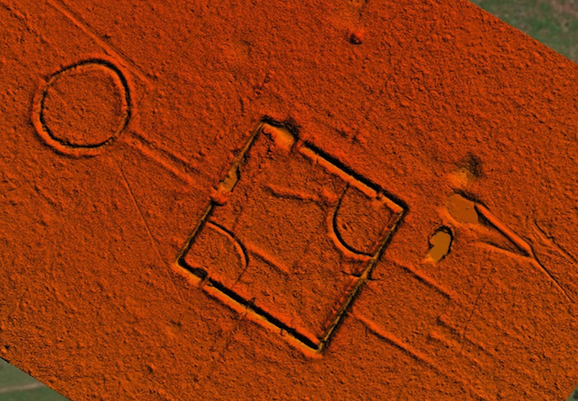
A lidar image of the Fazenda Atlântica geoglyph site in Acre, Brazil. Martti Pärssinen/Fabio de Novaes
|
|
All science, all the time. Read about what you care about with a subscription to Scientific American. Try it out for 90 days for just $1!
|
|
I so relate to this photo. Organic Media/Getty Images
|
|
Cognitive Fatigue
In a recent experiment, scientists used a functional magnetic resonance imaging (fMRI) machine to monitor the brain activity in 28 people while they first performed cognitively effortful tasks. After participants completed several memory tests and were tired out, they were asked if they’d like to keep going to get paid–either $1 for correctly completing an easy memory test, or up to $8 for correctly answering a harder memory test. As participants became more cognitively fatigued, they were much less likely to choose the more demanding option, even though it could pay more.
Why this happened: As people completed ever-more-exhausting memory tasks, an area at the front of the brain called the dorsolateral prefrontal cortex sent out increasingly strong signals to the right anterior insula, a region toward the middle-right of the brain that is known for monitoring how the body is feeling—including levels of fatigue. Based on the patterns the researchers observed, the signals between these two brain areas were used to compute a person’s willingness to trade cognitive effort for reward. Cognitive fatigue can significantly decrease people’s motivation to engage in challenging tasks.
What the experts say: These fatigue signals have likely evolved to protect us from overtaxing our cognitive and physical systems, writes Vikram Chib, an associate professor of biomedical engineering at Johns Hopkins University who studies the neuroscience of motivated performance and decision-making. “Cognitive fatigue can often stop us from performing activities that might replenish our mental resources, such as taking a walk in the sunshine after work or cooking a healthy meal.”
|
|
AI for Nuclear Power
Last November, by executive order, President Donald Trump tasked the Department of Energy—which oversees the nation’s nuclear stockpile—with building an AI platform to tackle research in areas ranging from advanced manufacturing to biotechnology, nuclear energy to quantum information science, critical minerals to semiconductors. The so-called Genesis mission released 26 challenges it would tackle; seven focus on nuclear weapons and national security.
What it will do: Genesis will apply AI across several nuclear-security missions. It will combine sensor, simulation and intelligence data to detect and respond to potential nuclear or radiological attacks, accelerate nuclear forensics by identifying the origin of recovered radioactive material, and analyze satellite imagery, sensing, open-source and government data to detect signs of illicit nuclear activity. The initiative will also support maintenance and modernization of the U.S. nuclear arsenal by mining the DOE’s vast archive of classified weapons-test data and unclassified research—including handwritten notes, paper records and film photographs—to better understand aging weapons and improve their safety and performance.
What the experts say: A lot of the science the DOE wants to accelerate is dual use, says Bahrad Sokhansanj, a research scholar at the Institute for Law and AI in Boston. “If you’re working on particle accelerators, if you’re working on advanced factories, that’s all going to have other applications.” A particle accelerator, for instance, can also help reveal how particles inside a weapon behave.
|
|
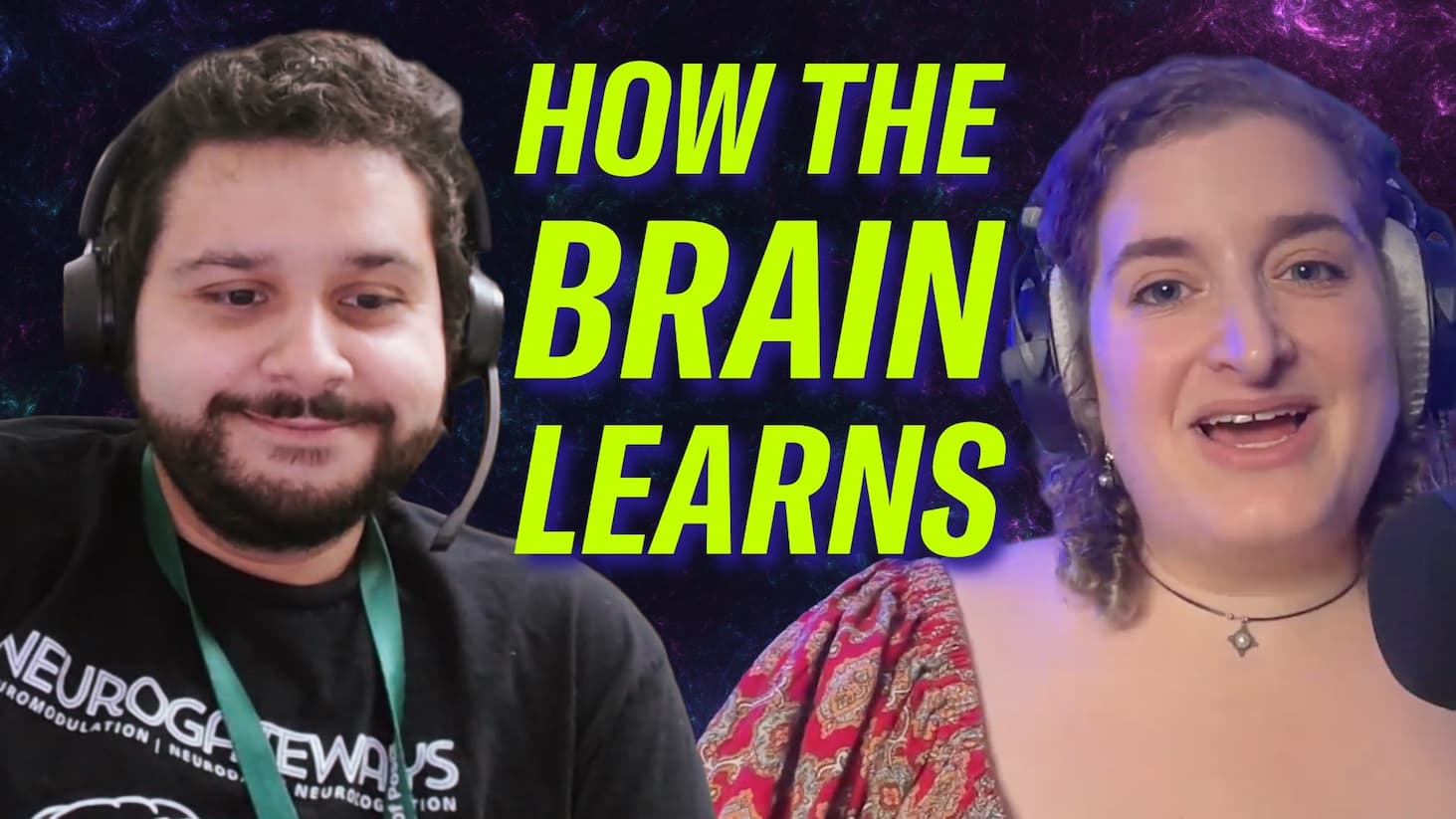
Kauê M. Costa is an assistant professor at the University of Alabama at Birmingham. He studies animal learning, namely how dopamine in the brain plays a role in a more complex type of learning that helps us infer what’s next based on past events. The fundamental question of his work: "What are the mechanisms, both informational and cellular and molecular, that determine what we learn? Like, what exactly do we incorporate into the brain, into our mind, when we are exposed to different events in the world?" Listen to a podcast interview with Costa.
|
|
|
|
|
France sees its first "fire cloud" because of this month’s record-smashing blazes. | Wired
In terms of Internet traffic, bots now outnumber humans. How did this happen? | New York Magazine
A team of scientists uploaded videos of marmots in the wild on the adult-content site OnlyFans to raise money amid government budget cuts. | New York Times
|
|
Scientists believe the ancient earthworks discovered in the Amazon were built by members of the Aquiry civilization who inhabited the region between 600 B.C.E. and C.E. 850. Because of the number of geoglyphs, researchers have upped the estimated population size—perhaps to as many as three million. Though theirs appeared to be a thriving civilization, the Aquiry communities eventually vanished, leaving a mystery. Flourishing isn't a guarantee of long-term survival.
|
|
Reach out to me anytime with any other comments, observations or questions: newsletters@sciam.com. We'll be back tomorrow.
—Andrea Gawrylewski, Chief Newsletter Editor
|
|
|
|
|
Subscribe to this and all of our newsletters here.
|
|
Scientific American
1000 N West Street, Suite 1200
Wilmington, Delaware 19801
|
|
|
|
|





Comments
Post a Comment