A new genetic analysis offers clues ͏ ͏ ͏ ͏ ͏ ͏ ͏ ͏ ͏ ͏ ͏ ͏ ͏ ͏ ͏ ͏ ͏ ͏ ͏ ͏ ͏ ͏ ͏ ͏ ͏ ͏ ͏ ͏ ͏ ͏ ͏ ͏ ͏ ͏ ͏ ͏ ͏ ͏ ͏ ͏ ͏ ͏ ͏ ͏ ͏ ͏ ͏ ͏ ͏ ͏ ͏ ͏ ͏ ͏ ͏ ͏ ͏ ͏ ͏ ͏ ͏ ͏ ͏ ͏ ͏ ͏ ͏ ͏ ͏ ͏ ͏ ͏ ͏ ͏ ͏ ͏ ͏ ͏ ͏ ͏ ͏ ͏ ͏ ͏ ͏ ͏ ͏ ͏ ͏ ͏ ͏ ͏ ͏ ͏ ͏ ͏ ͏ ͏ ͏ ͏ ͏ ͏ ͏ ͏ ͏ ͏ ͏ ͏ ͏ ͏ ͏ ͏ ͏ ͏ ͏ ͏ ͏ ͏ ͏ ͏ ͏ ͏ ͏ ͏ ͏ ͏ ͏ ͏ ͏ ͏ ͏ ͏ ͏ ͏ ͏ ͏ ͏ ͏ ͏ ͏ ͏ ͏ ͏ ͏ ͏ ͏ ͏ ͏ ͏ ͏
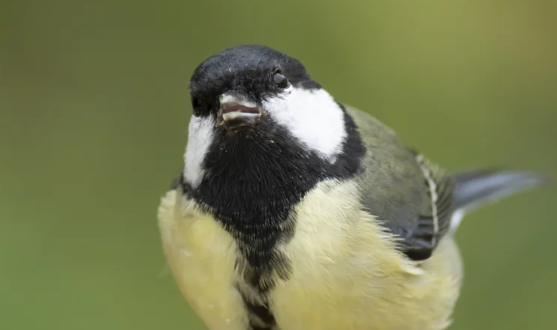
April 29, 2026—Today, city birds are scared of women, beetle larvae can mimic appealing flower smells, and a fatty lunch boosts immune response. Plus, what happened to people after the fall of the Roman Empire? All that and more below.
—Andrea Gawrylewski
Chief Newsletter Editor
|
|
Great tit (Parus major) in the U.K. photoimageBROKER/Kevin Sawford via Getty Images
|
|
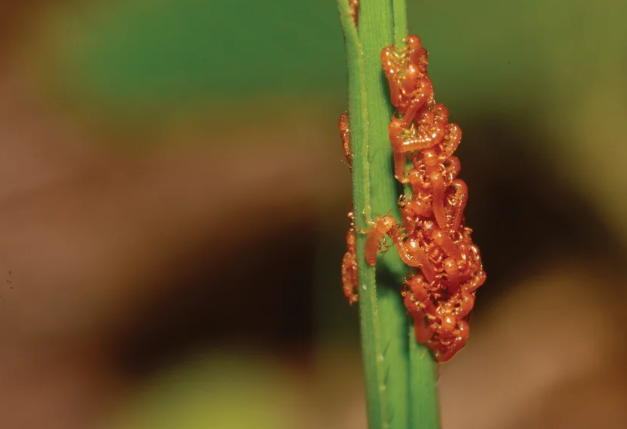
Blister beetle larvae demonstrate a clumpy flower impression. Danny Kessler
|
|
When the bright orange larvae of the European blister beetle emerge from their eggs, they climb up to the ends of grasses where they sit in clumps. When bees pass by, the larvae latch onto them and get airlifted to a hive full of nectar and eggs—everything a growing beetle larva needs. Now, scientists have observed in a preprint paper that they give off an alluring floral scent that may help attract the bees.
Why this is interesting: The tiny larvae emit a collection of 17 scented compounds often found in flowers, like linalool oxide (found in black tea) and lilac aldehyde (found in the bearberry plant). Not only do they replicate the smell of flowers, but also their looks, by aggregating on plants to form flowerlike shapes.
What the experts say: This study “presents a convincing case that the beetle larvae are mimicking flowers chemically, and perhaps visually, so as to deceive and attract bees,” says Jim McLean, an evolutionary biologist at Macquarie University in Australia, who was not involved in the study. —Emma Gometz, newsletter editor
|
|
|
|
|
Jeffery DelViscio/Scientific American
|
|
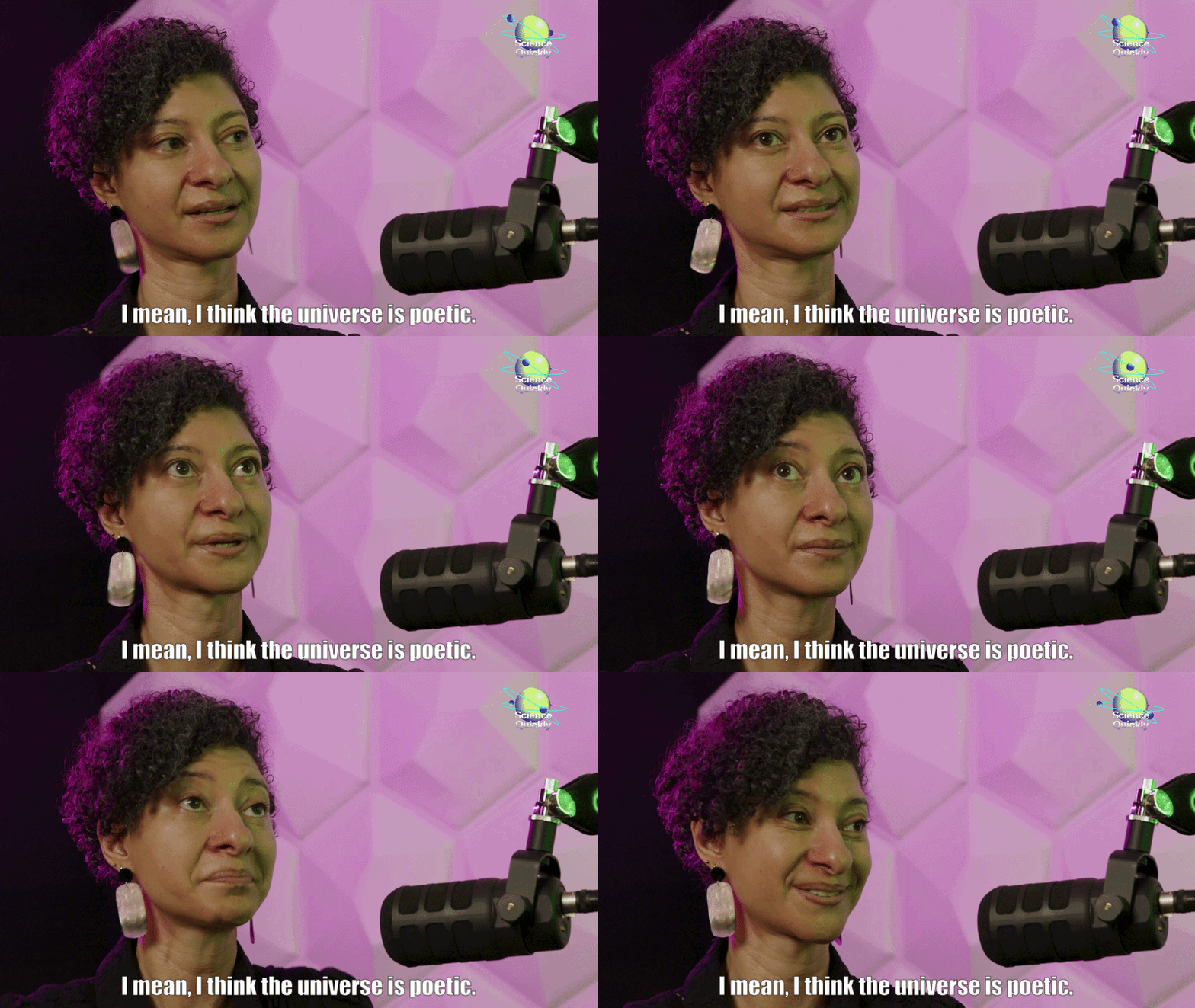
In today’s episode of the Science Quickly podcast, theoretical physicist Chanda Prescod-Weinstein talks about her new book, The Edge of Space-Time: Particles, Poetry, and the Cosmic Dream Boogie, which brings together physics, philosophy, and pop-culture. In it, Prescod-Weinstein asks the reader to confront how metaphor may be failing us when it comes to comprehending the complexity of quantum physics. In the Stern-Gerlach experiment, for example, the same particle’s quantum properties can yield different measurements in two versions of the same experiment, and it is said that the particle doesn’t “remember” what measurement was recorded in the first experiment. But what does it mean for a particle to “remember” anyway—are our human words adequately describing how particles work? “I’m not saying you throw out your everyday experience, but I’m saying there’s a universe beyond what you have been told through your everyday life to imagine,” Prescod-Weinstein says. —EG
|
|
- A teacher reads all of Charles Darwin's books with his class and discovers some important lessons for our times. | Undark
- The diminishing flow of the Colorado River may severely hamper Arizona AI data centers. | Bloomberg
- How COVID conspiracy theories are reviving long-debunked ideas on HIV and AIDS. | MIT Technology Review
|
|
Our digital producer Isabella Bruni discovered this interactive tool from NASA: plug in your name and it spells it out in images from its vast archive of Landsat satellite images, which spans 50 years from four different observatories. Once your name is displayed, hover over each image to learn about the land feature. I was particularly taken by the "e" in my name, which was snapped above the Bellona Plateau and which I had shamefully never heard of (it's part of an archipelago about 500 miles off the northeast coast of Australia).
|
|
Enjoy your satellite images, and send any comments or feedback on this newsletter to newsletters@sciam.com. We'll be back tomorrow.
—Andrea Gawrylewski, Chief Newsletter Editor
|
|
|
|
|
Subscribe to this and all of our newsletters here.
|
|
|
|
|






Comments
Post a Comment