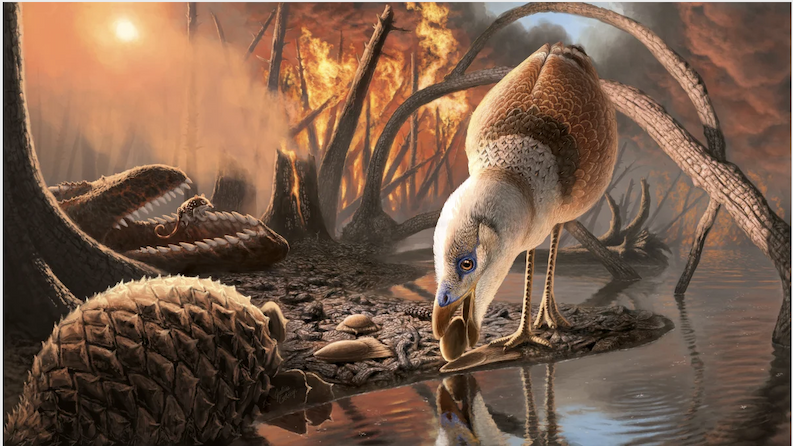
New takes on cardiovascular diseases, birds surviving doomsdays, and more! ͏ ͏ ͏ ͏ ͏ ͏ ͏ ͏ ͏ ͏ ͏ ͏ ͏ ͏ ͏ ͏ ͏ ͏ ͏ ͏ ͏ ͏ ͏ ͏ ͏ ͏ ͏ ͏ ͏ ͏ ͏ ͏ ͏ ͏ ͏ ͏ ͏ ͏ ͏ ͏ ͏ ͏ ͏ ͏ ͏ ͏ ͏ ͏ ͏ ͏ ͏ ͏ ͏ ͏ ͏ ͏ ͏ ͏ ͏ ͏ ͏ ͏ ͏ ͏ ͏ ͏ ͏ ͏ ͏ ͏ ͏ ͏ ͏ ͏ ͏ ͏ ͏ ͏ ͏ ͏ ͏ ͏ ͏ ͏ ͏ ͏ ͏ ͏ ͏ ͏ ͏ ͏ ͏ ͏ ͏ ͏ ͏ ͏ ͏ ͏ ͏ ͏ ͏ ͏ ͏ ͏ ͏ ͏ ͏ ͏ ͏ ͏ ͏ ͏ ͏ ͏ ͏ ͏ ͏ ͏ ͏ ͏ ͏ ͏ ͏ ͏ ͏ ͏ ͏ ͏ ͏ ͏ ͏ ͏ ͏ ͏ ͏ ͏ ͏ ͏ ͏ ͏ ͏ ͏ ͏ ͏ ͏ ͏ ͏ ͏
Dear Friend of Scientific American,
|
|
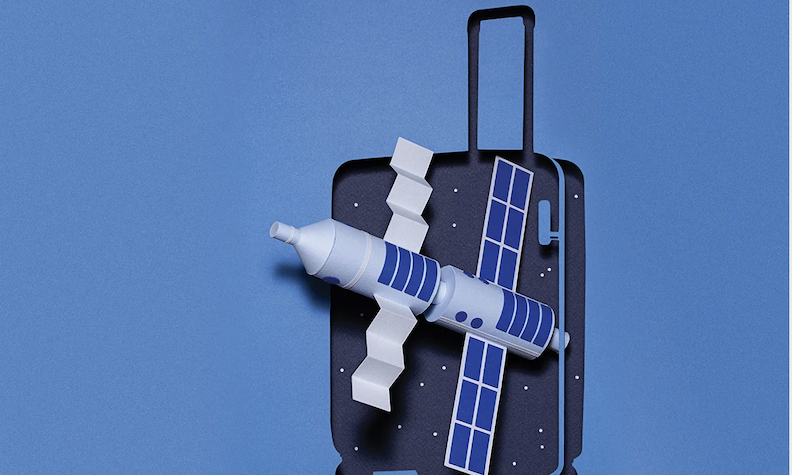
If watching the Artemis II mission has you daydreaming about visiting space, I have good news: Orbital tourism is getting closer to reality. You can find out how in the new issue of Scientific American, which includes a special look at the science of luxury, from the long road to space hotels to the cutting‑edge chemistry behind high‑end fragrances.
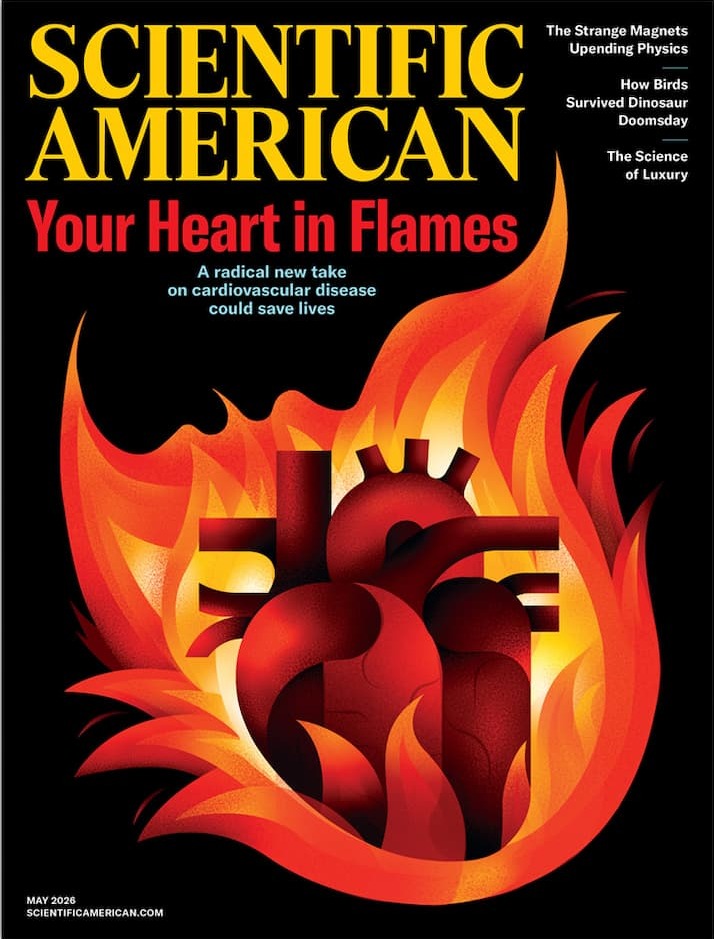
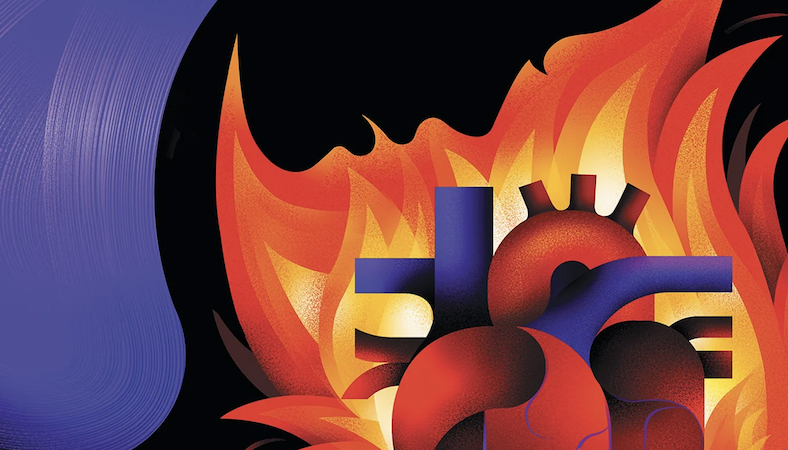
Our cover story explains how here on Earth, medical researchers are tackling their own moonshot: A quarter of the people admitted to hospitals for heart attacks and strokes don’t exhibit expected risk factors, and cardiologists don’t know why. But new research points to a hidden culprit for heart disease and could lead to innovative treatments.
Science starts in unexpected places. I hope this issue takes you somewhere new.
|
|
Chase wonder, catch truth,
David M. Ewalt
Editor in Chief
|
|
|
|
|
You received this email because you opted in to receive email from Scientific American or you have registered for an account with Scientific American.
To ensure delivery please add news@scientificamerican.com to your address book.
|
|
|
|
|




Comments
Post a Comment