Many of Ukraine's world-class observatories are in ruins ͏ ͏ ͏ ͏ ͏ ͏ ͏ ͏ ͏ ͏ ͏ ͏ ͏ ͏ ͏ ͏ ͏ ͏ ͏ ͏ ͏ ͏ ͏ ͏ ͏ ͏ ͏ ͏ ͏ ͏ ͏ ͏ ͏ ͏ ͏ ͏ ͏ ͏ ͏ ͏ ͏ ͏ ͏ ͏ ͏ ͏ ͏ ͏ ͏ ͏ ͏ ͏ ͏ ͏ ͏ ͏ ͏ ͏ ͏ ͏ ͏ ͏ ͏ ͏ ͏ ͏ ͏ ͏ ͏ ͏ ͏ ͏ ͏ ͏ ͏ ͏ ͏ ͏ ͏ ͏ ͏ ͏ ͏ ͏ ͏ ͏ ͏ ͏ ͏ ͏ ͏ ͏ ͏ ͏ ͏ ͏ ͏ ͏ ͏ ͏ ͏ ͏ ͏ ͏ ͏ ͏ ͏ ͏ ͏ ͏ ͏ ͏ ͏ ͏ ͏ ͏ ͏ ͏ ͏ ͏ ͏ ͏ ͏ ͏ ͏ ͏ ͏ ͏ ͏ ͏ ͏ ͏ ͏ ͏ ͏ ͏ ͏ ͏ ͏ ͏ ͏ ͏ ͏ ͏ ͏ ͏ ͏ ͏ ͏ ͏
March 3, 2026—The ongoing war in Ukraine has all but destroyed astronomical research there. Plus, the status of Iran's uranium enrichment program is more uncertain than ever, and "blood rain" expected in Europe. —Andrea Gawrylewski
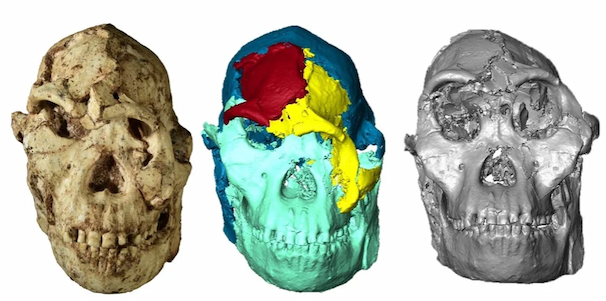
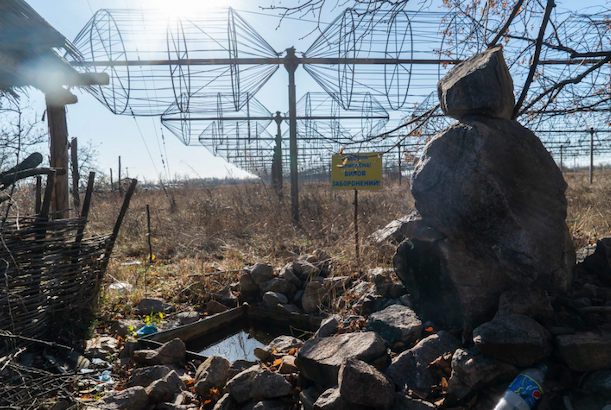
Chief Newsletter Editor | | A reconstruction of the Australopithecus fossil Little Foot's face (right) from the original skull (left) and a digital replica (center). Amélie Beaudet | | Rubble lies in front of a phased array antenna at the Braude Radio Astronomy Observatory in Kharkiv Oblast, Ukraine on November 16, 2023. Oleksandr Stavytskyy/Suspilne Ukraine/JSC "UA:PBC"/Global Images Ukraine/Getty Images | | Before the war in Ukraine, the country had a robust astronomy and space research program. Now, after four years of fighting, it has been all but destroyed. Countrywide, more than 10,000 researchers and professors have been displaced. A total of 1,443 buildings at 177 research institutes have been damaged. And the budget for public research and development has been halved.
A strong legacy: Ukraine once was home to many observatories and radio telescope arrays. Perhaps its most prominent facility was the Ukrainian T-Shaped Radio Telescope, second modification (UTR-2), completed at Braude Radio Astronomy Observatory in 1972. It is the largest ultra-low-frequency radio telescope in the world. In 2022 the Russian army seized the observatory and left it a ruin before Ukrainian forces regained control of the facility: All but one of the 17 buildings at the site was damaged; everything of value from computers to specialized copper cooling systems had been looted. In Kiev, in June 2025, the central building of the Main Astronomical Observatory was damaged by a nearby blast. Some research and training centers, like those belonging to the Astronomical Observatory of Odesa National University, have been effectively abandoned because of their proximity to active combat zones.
The future: The cost to repair the scientific and university infrastructure in Ukraine will cost an estimated $1.26 billion. Though the war is nowhere near ending, the astronomical community is presenting a "progressive recovery plan" for Ukrainian astronomy at the European Astronomical Society 2026 conference at the end of June. The effort aims to move Ukraine away from its Soviet-era technical heritage and toward full partnership with the European Southern Observatory, Europe's biggest and best consortium for astronomy.
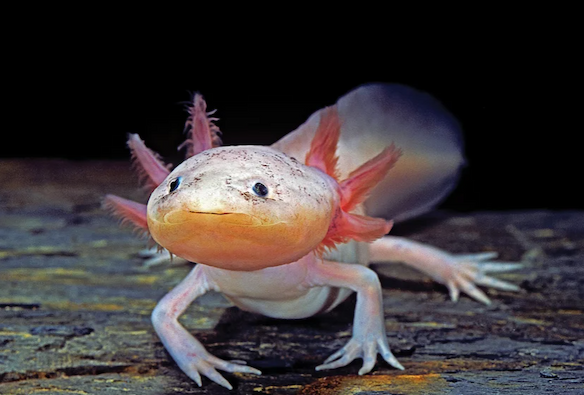
What the experts say: "Right now our state is focused on defense and survival. But in order to have something to rebuild after the war, we must preserve it during the war," says Olena Kompaniiets, a junior researcher at the Main Astronomical Observatory of the National Academy of Sciences of Ukraine. "Science is no exception. I believe that without science, a strong country is impossible." | | Paul Starosta/Getty Images | | Axolotls, the charming salamanders native to the wetlands and lakes near Mexico City, can completely regrow their thymus, a complex organ instrumental to the immune system in most vertebrates. Researchers removed the thymus from several juvenile axolotls. After seven days many of the animals were already budding new thymuses. After 35 days more than 60 percent of them had fully regenerated the organ. The team transplanted the regenerated organs into other axolotls and, surprisingly, the thymuses integrated seamlessly.Why this is interesting: The scientists investigated further and found that a gene called Foxn1 and a signaling molecule called midkine were central in the salamander's ability to regenerate an organ. The midkine molecule appears in human embryos, but is mostly inactive in adults.What the experts say: "If we could reawaken this specific pathway in humans, we might be able to stimulate the thymus to regrow, potentially reversing immune aging or helping patients who have undergone thymectomies," says Turan Demircan, a biologist and regeneration expert at Muğla Sıtkı Koçman University in Turkey. | | | | |
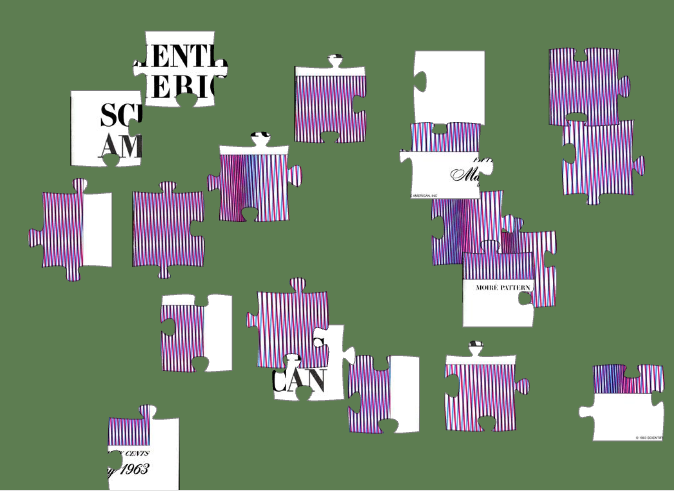
A trickier one this week! Try to unscramble this puzzle of the cover of our May 1963 issue, if you can! The image shows a moiré pattern, which forms when different regular patterns of parallel lines are overlaid. | | Did you spot a blood-red lunar eclipse early this morning? If so, send me your photos and I might include them in an upcoming newsletter. In the meantime, enjoy some stunning photos snapped in New Zealand, Cuba and the Philipines. | | Send your eclipse shots, and any other comments or feedback to: newsletters@sciam.com. We'll be back tomorrow. —Andrea Gawrylewski, Chief Newsletter Editor
| | | | |
Subscribe to this and all of our newsletters here. | | | | |




Comments
Post a Comment