Plus, a 'half-Möbius' molecule and how to 'spring forward' ͏ ͏ ͏ ͏ ͏ ͏ ͏ ͏ ͏ ͏ ͏ ͏ ͏ ͏ ͏ ͏ ͏ ͏ ͏ ͏ ͏ ͏ ͏ ͏ ͏ ͏ ͏ ͏ ͏ ͏ ͏ ͏ ͏ ͏ ͏ ͏ ͏ ͏ ͏ ͏ ͏ ͏ ͏ ͏ ͏ ͏ ͏ ͏ ͏ ͏ ͏ ͏ ͏ ͏ ͏ ͏ ͏ ͏ ͏ ͏ ͏ ͏ ͏ ͏ ͏ ͏ ͏ ͏ ͏ ͏ ͏ ͏ ͏ ͏ ͏ ͏ ͏ ͏ ͏ ͏ ͏ ͏ ͏ ͏ ͏ ͏ ͏ ͏ ͏ ͏ ͏ ͏ ͏ ͏ ͏ ͏ ͏ ͏ ͏ ͏ ͏ ͏ ͏ ͏ ͏ ͏ ͏ ͏ ͏ ͏ ͏ ͏ ͏ ͏ ͏ ͏ ͏ ͏ ͏ ͏ ͏ ͏ ͏ ͏ ͏ ͏ ͏ ͏ ͏ ͏ ͏ ͏ ͏ ͏ ͏ ͏ ͏ ͏ ͏ ͏ ͏ ͏ ͏ ͏ ͏ ͏ ͏ ͏ ͏ ͏
March 6, 2026—A "half-Möbius" molecule, NASA changes an asteroid binary's orbit and the geology behind oil stuck in the Middle East. —Robin Lloyd
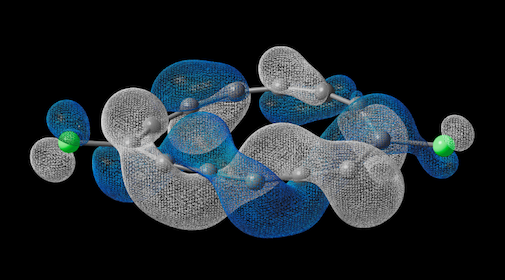
Contributing Editor | | The newly discovered half-Möbius molecule. The cloud of electrons twists about the ring of atoms in a complicated geometry, making weird quantum physics possible. IBM Research | | - The first "half-Möbius"molecule, a strange new ring-shaped molecule that bends around like a more complicated Möbius strip, has been unveiled. Scientists assembled it with the help of quantum computing. | 2 min read
- NASA changed a binary asteroid system's path around the sun, a first for humankind, a new analysis reveals. | 2 min read
- Measles has erupted at Camp East Montana, one of U.S.'s largest ICE detention facilities. Authorities have reported 14 confirmed infections, triggering the El Paso center to close to visitors | 4 min read
- Satellites have improved all of our lives. But having more than a million of them in orbit could destroy our view of the heavens and damage our planet, writes Phil Plait. | 6 min read
- Michael Pollan, author of the new book A World Appears: A Journey into Consciousness, explains why AI will never replicate human consciousness. | 2 min read
- How to "spring forward" for daylight saving time this weekend without leaving your body and brain behind. | 2 min read
- Join the discussion: How well do you adjust to daylight saving time? Are you ready for the clocks to spring forward an hour as most of the U.S. enters daylight saving time? Do the tips from the article (exercise and morning sunshine) work for you, or do you have any other tried-and-true tricks? Join the discussion here.
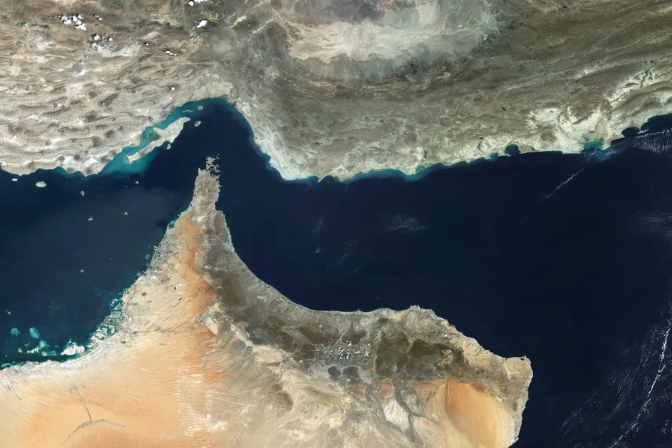
| | Satellite view of the Strait of Hormuz, a critical chokepoint for global energy supply, connecting the Persian Gulf to the Gulf of Oman. Gallo Images/Orbital Horizon/Copernicus Sentinel Data 2025/Getty Images | | Attacks on Iran by the U.S. and Israel have effectively shut down fossil-fuel shipments through the narrow Strait of Hormuz on their way out of the Persian Gulf. The region accounts for one fifth of the world's supply of oil and liquefied natural gas. "It's a geopolitical predicament but also a geological one," writes freelance science journalist Stephanie Pappas. About 30 million years ago, a collision between the Arabian tectonic plate and the Eurasian plate created a basin that trapped oil within what is today Iran. The basin also collected water, creating the Persian Gulf.
How it works: Iran sits on the line where the two plates collide, having formed the Zagros Mountains. This lengthy line of unbroken ridges pushes down the Arabian plate and flexes it. The bending in turn creates the basin in Earth's crust which traps massive amounts of hydrocarbons. These deposits formed before the continents collided, when sea levels rose and fell, building up what are now kilometers-deep layers of organic-rich shale, porous sandstone, fractured limestone and capstone.
What the experts say: The Strait is "ultimately there because of the geology, but the impact on humans at this present time is that you've got a marine bottleneck. The tankers don't have much room to sit in, and they're sitting very close to the Iranian coast," says Mark Allen, a professor of Earth sciences at Durham University in England.
| | | | |
Amanda Montañez; Source: "Changes in Paracetamol and Leucovorin Use after a White House Briefing," by Jeremy Samuel Faust and Michael L. Barnett in Lancet, Vol. 407. Published online March 5, 2026 (data) | | These data, based on more than 294 million patient records, show how doctors changed their prescribing behaviors after a White House briefing that featured comments by President Donald Trump and the commissioner of the Food and Drug Administration about Tylenol in relation to autism. Learn more. | | | | |
- How well did you read Scientific American this week? Test your knowledge with today's science quiz. Also, here is today's Killer Sudoku and Spellements. If you spot any missing science terms from the puzzle, please email them to games@sciam.com. In recent days, reader Kenneth G found evert, and Annette K and Joaquin M found vitiate.
| | MOST POPULAR STORIES OF THE WEEK | | - Why mathematicians hate Good Will Hunting | 7 min read
- Ring the Fish Doorbell to help migrating fish navigate a Dutch canal | 3 min read
- Face of ancient human ancestor 'Little Foot' reconstructed for the first time | 2 min read
| | We can ease the transition this weekend to daylight saving time with morning exercise outdoors at 50 to 75 percent of full exertion as well as some other life hacks, I learned by reading health and science writer Matt Fuchs' story mentioned above. It turns out that the body's circadian rhythms are orchestrated by not just one light-sensitive "master" clock but also by "peripheral" clocks found in the brain, heart, liver and other tissues. The latter clocks are cued by morning exercise. I find a way to fit in a walk or bike ride most days, but I'll aim to get started earlier Sunday. That's a bit daunting after "losing" an hour of sleep, but the story has tips for mitigating that too. | | Hope you have a pleasant weekend. Please send feedback, comments and questions about the newsletter to: newsletters@sciam.com. See you on Monday. —Robin Lloyd, Contributing Editor
| | | | |
Subscribe to this and all of our newsletters here. | | | | |





Comments
Post a Comment