Despite the dire headlines, kids these days are doing well ͏ ͏ ͏ ͏ ͏ ͏ ͏ ͏ ͏ ͏ ͏ ͏ ͏ ͏ ͏ ͏ ͏ ͏ ͏ ͏ ͏ ͏ ͏ ͏ ͏ ͏ ͏ ͏ ͏ ͏ ͏ ͏ ͏ ͏ ͏ ͏ ͏ ͏ ͏ ͏ ͏ ͏ ͏ ͏ ͏ ͏ ͏ ͏ ͏ ͏ ͏ ͏ ͏ ͏ ͏ ͏ ͏ ͏ ͏ ͏ ͏ ͏ ͏ ͏ ͏ ͏ ͏ ͏ ͏ ͏ ͏ ͏ ͏ ͏ ͏ ͏ ͏ ͏ ͏ ͏ ͏ ͏ ͏ ͏ ͏ ͏ ͏ ͏ ͏ ͏ ͏ ͏ ͏ ͏ ͏ ͏ ͏ ͏ ͏ ͏ ͏ ͏ ͏ ͏ ͏ ͏ ͏ ͏ ͏ ͏ ͏ ͏ ͏ ͏ ͏ ͏ ͏ ͏ ͏ ͏ ͏ ͏ ͏ ͏ ͏ ͏ ͏ ͏ ͏ ͏ ͏ ͏ ͏ ͏ ͏ ͏ ͏ ͏ ͏ ͏ ͏ ͏ ͏ ͏ ͏ ͏ ͏ ͏ ͏ ͏
March 18, 2026—Surprising studies show young people are doing better than previous generations. Plus, Nebraska is battling historic wildfires and an asteroid exploded over Ohio. —Andrea Gawrylewski, Chief Newsletter Editor | | An aerial photograph of Nebraska's Morrill Fire. inciweb.wildfire.gov | | Explore the universe with a subscription to Scientific American. Check out our great March deal! | | | | |
Recent surveys show that growing percentages of kids and teens are experiencing anxiety and depression. But by many measures, today's youth are excelling: Drug use, youth violence and teen pregnancies are all down. IQs have increased. Kids today appear to be more self-restrained and patient than previous generations, some studies show, and their empathy grows by the year. A survey of nearly 700 adolescents found that 73 percent had volunteered or given to charities. Young people are more accepting of others and more willing to talk about their emotions—which may be part of why rates of anxiety diagnoses have gone up.
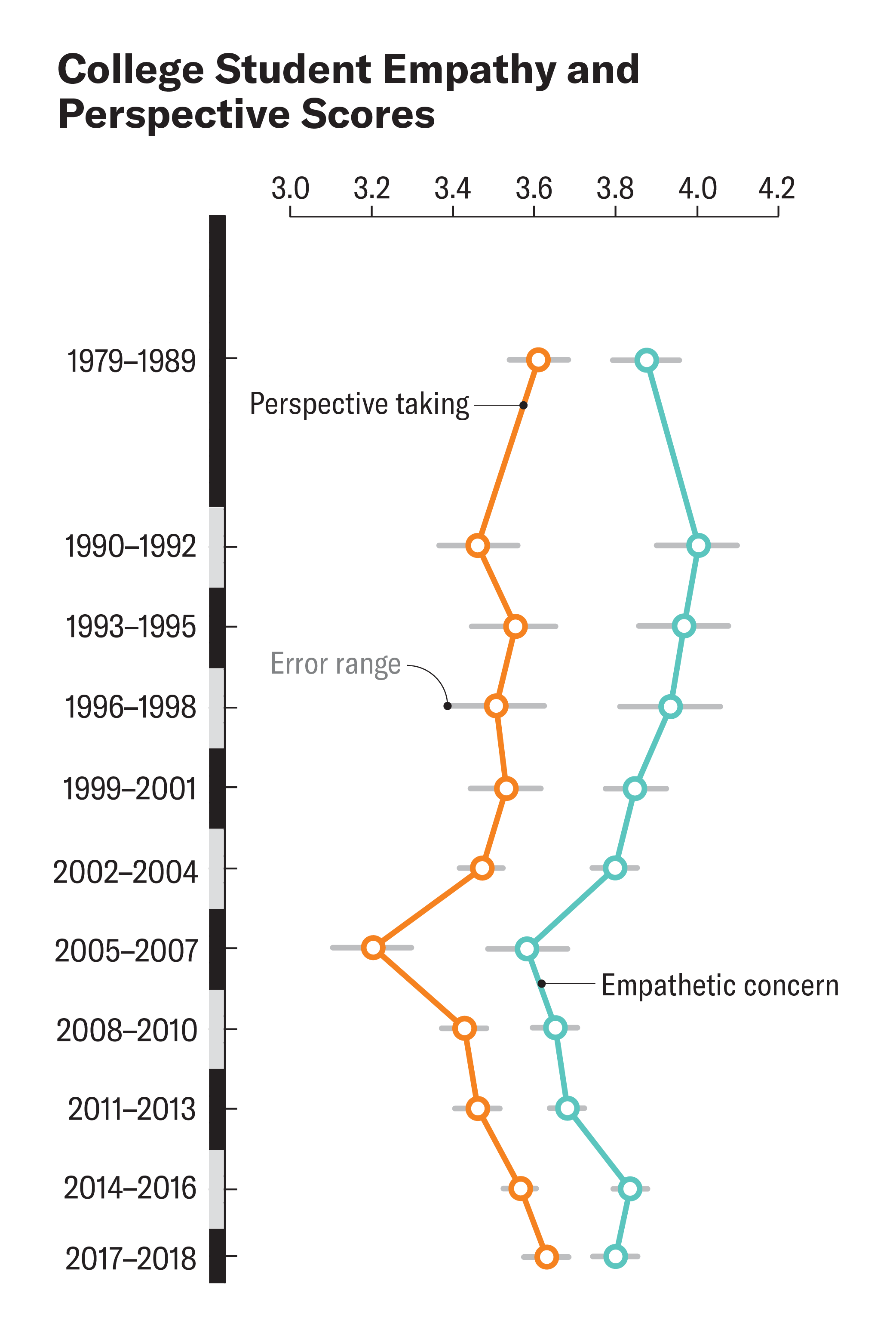
What's happening: Some experts attribute young people's patience and empathy to modern parenting styles. Many adults today favor a warmer and more empathetic approach to teaching and resolving conflicts. Some studies suggest that this kind of empathy can be "passed down" from parents to children. Youth empathy scores were found to be at a 30-year low between 2005 and 2007. But the same researchers measured those skills rebounding in the following years:
| | Jen Christiansen; Source: "Empathy Trends in American Youth between 1979 and 2018: An Update," by Sara Konrath et al, in Social Psychological and Personality Science, Vol. 16; December 28, 2023 (data) | | School curriculums have also changed: During the 2023–2024 school year, 83 percent of U.S. K–12 principals reported that their schools used a social and emotional learning curriculum. Such training helps kids manage their emotions, which perhaps allows them to be more patient and retain attention. One psychologist has found that, counter to the popular narrative that kids have no attention span, delayed-gratification skills in children younger than 10 have actually improved over the past 50 years. Whereas kids of yore could wait about three minutes for a second treat, kids in 2018 could wait more than eight minutes.
What about social media? The research here is nuanced, perhaps because people engage with social media in so many different ways—these apps aren't just for doomscrolling but also connecting with friends. A recent study of more than 100,000 kids in Australia (where social media was recently banned for those under 16) found that the relationship between social media and mental health was "complex and nonlinear."
What the experts say: "Fixating on that negative story that you see in the headlines isn't really representing the reality of young people," says Sara Konrath, a social psychologist at Indiana University Indianapolis.
Join the discussion: The research finds that today's kids and teens are doing better in many ways than in previous generations. Does that ring true to you? Tell us what you think by reading the article, scrolling down to the tan box and clicking "Join the discussion." | | - Self-driving cars are great, until they crash you into a wall. | The Atlantic
- Ketamine to treat depression is a booming business. But the risks of the therapy are real. | The Wall Street Journal
- A new study shows that texting a random stranger is better for alleviating loneliness than talking to a chatbot. | 404 Media
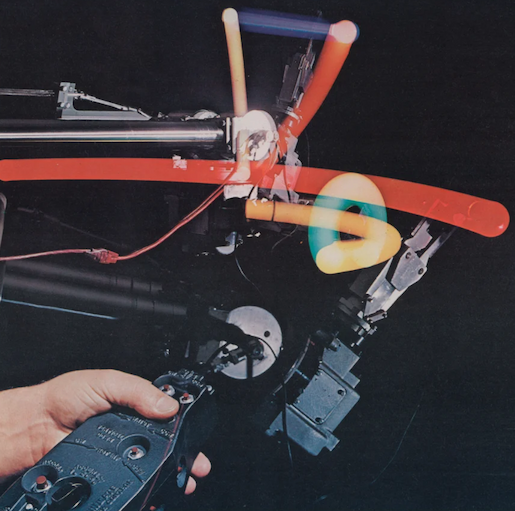
| | Scientific American, Vol 234, No. 2; February 1976 | | From the February 1976 issue: Made by Unimation, Inc., of Danbury, Conn., the Unimate robot can execute six basic motions. In this multiple-exposure photograph, the robot's gripper, or hand, is holding lights of different colors to distinguish the six motions. The pistonlike arm is capable of three motions: in-out (blue), up-down (white) and left-right (red). At any position of the robot's arm, the gripper can execute three more motions: bend (orange), swivel (green) and yaw (yellow). | | Something of a kerfuffle broke out a couple years ago with the publication of the book The Anxious Generation by social psychologist Jonathan Haidt. In it, Haidt argued that the rise of social media and smart phones had led kids and teens into record rates of anxiety, depression and suicide. Other experts quickly chimed in that the data simply do not create a clear-cut link between technology use and mental health in young people. Teens and young adults are certainly facing unprecedented times, and the influence of the Internet is a part of that world. What do you think about the relationship between technology and happiness? | | Join the discussion on the article or send your comments to newsletters@sciam.com. We'll be back tomorrow. —Andrea Gawrylewski, Chief Newsletter Editor
| | | | |
Subscribe to this and all of our newsletters here. | | | | |





Comments
Post a Comment