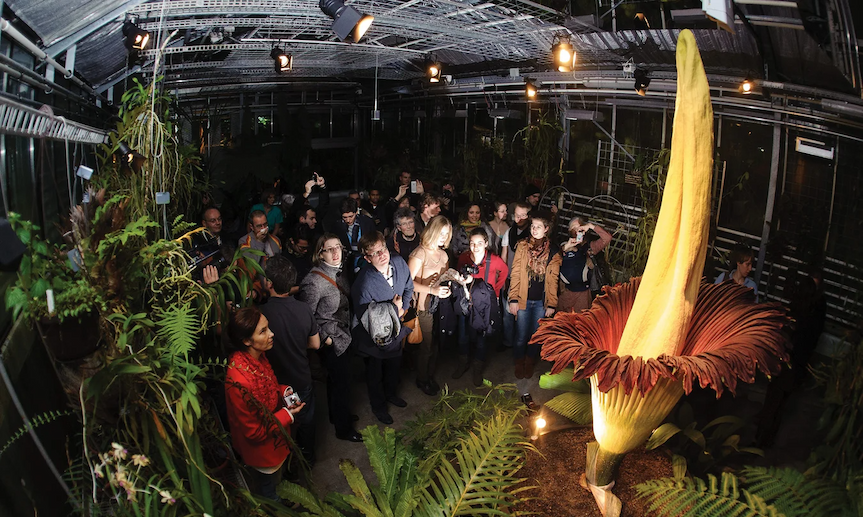
Galactic mysteries, corpse flowers, radioactive waste and more in our April issue! ͏ ͏ ͏ ͏ ͏ ͏ ͏ ͏ ͏ ͏ ͏ ͏ ͏ ͏ ͏ ͏ ͏ ͏ ͏ ͏ ͏ ͏ ͏ ͏ ͏ ͏ ͏ ͏ ͏ ͏ ͏ ͏ ͏ ͏ ͏ ͏ ͏ ͏ ͏ ͏ ͏ ͏ ͏ ͏ ͏ ͏ ͏ ͏ ͏ ͏ ͏ ͏ ͏ ͏ ͏ ͏ ͏ ͏ ͏ ͏ ͏ ͏ ͏ ͏ ͏ ͏ ͏ ͏ ͏ ͏ ͏ ͏ ͏ ͏ ͏ ͏ ͏ ͏ ͏ ͏ ͏ ͏ ͏ ͏ ͏ ͏ ͏ ͏ ͏ ͏ ͏ ͏ ͏ ͏ ͏ ͏ ͏ ͏ ͏ ͏ ͏ ͏ ͏ ͏ ͏ ͏ ͏ ͏ ͏ ͏ ͏ ͏ ͏ ͏ ͏ ͏ ͏ ͏ ͏ ͏ ͏ ͏ ͏ ͏ ͏ ͏ ͏ ͏ ͏ ͏ ͏ ͏ ͏ ͏ ͏ ͏ ͏ ͏ ͏ ͏ ͏ ͏ ͏ ͏ ͏ ͏ ͏ ͏ ͏ ͏
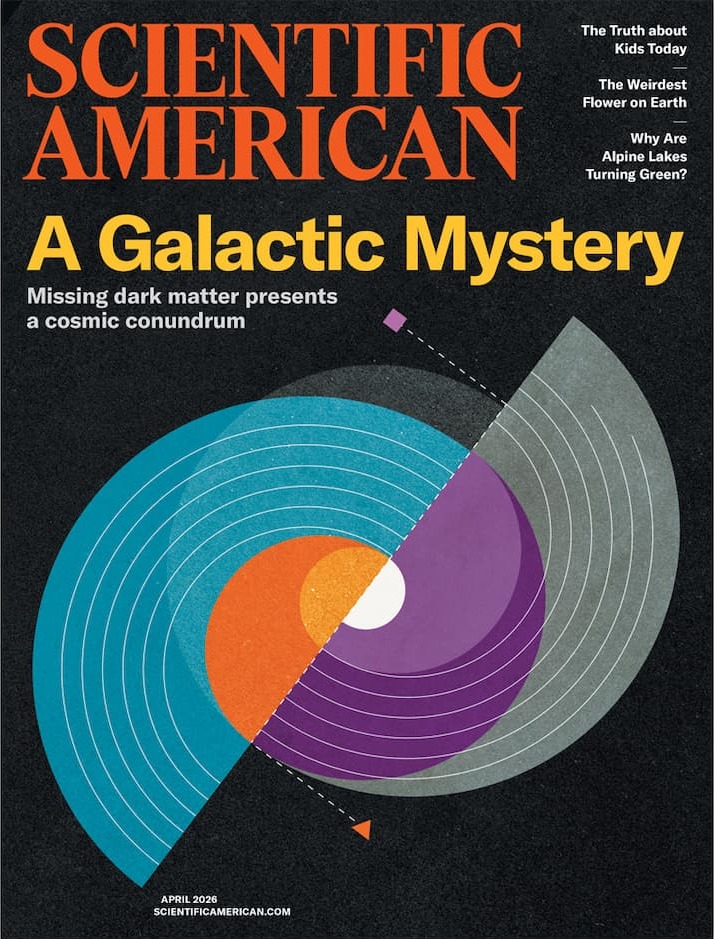
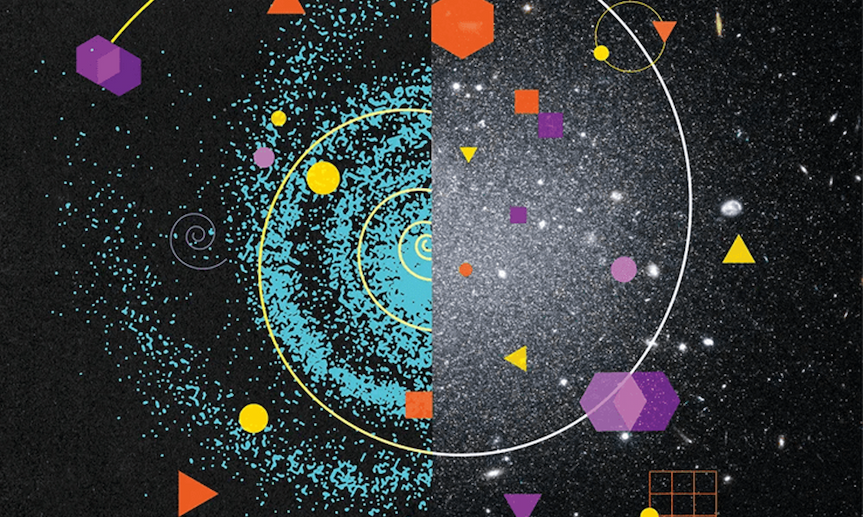
Dear Friend of Scientific American, | | We've all seen stories about how American kids are struggling and headlines like "Gen Z is dumber than their parents." But in the April issue of Scientific American, we look at the data, and it turns out the kids are all right: shifts in parenting may be raising a generation that is smarter, kinder and more self-aware than any before. Elsewhere in this issue, you'll learn about a cosmic conundrum that is keeping astronomers up at night: Galaxies are thought to be held together by dark matter because without that invisible material, all those stars would simply fly apart. So what is keeping together recently discovered dwarf galaxies that appear to have no dark matter at all? One last thing–we just launched Proof Positive, a fabulous newsletter about math, and I think you'll enjoy it whether you've got a head for numbers or can't tell a numerator from a denominator. Sign up here. | | Chase wonder, catch truth,
David M. Ewalt
Editor in Chief | | | | |
You received this email because you opted in to receive email from Scientific American or you have registered for an account with Scientific American. To ensure delivery please add news@scientificamerican.com to your address book. | | | | |





Comments
Post a Comment