Plus, how we map our social world ͏ ͏ ͏ ͏ ͏ ͏ ͏ ͏ ͏ ͏ ͏ ͏ ͏ ͏ ͏ ͏ ͏ ͏ ͏ ͏ ͏ ͏ ͏ ͏ ͏ ͏ ͏ ͏ ͏ ͏ ͏ ͏ ͏ ͏ ͏ ͏ ͏ ͏ ͏ ͏ ͏ ͏ ͏ ͏ ͏ ͏ ͏ ͏ ͏ ͏ ͏ ͏ ͏ ͏ ͏ ͏ ͏ ͏ ͏ ͏ ͏ ͏ ͏ ͏ ͏ ͏ ͏ ͏ ͏ ͏ ͏ ͏ ͏ ͏ ͏ ͏ ͏ ͏ ͏ ͏ ͏ ͏ ͏ ͏ ͏ ͏ ͏ ͏ ͏ ͏ ͏ ͏ ͏ ͏ ͏ ͏ ͏ ͏ ͏ ͏ ͏ ͏ ͏ ͏ ͏ ͏ ͏ ͏ ͏ ͏ ͏ ͏ ͏ ͏ ͏ ͏ ͏ ͏ ͏ ͏ ͏ ͏ ͏ ͏ ͏ ͏ ͏ ͏ ͏ ͏ ͏ ͏ ͏ ͏ ͏ ͏ ͏ ͏ ͏ ͏ ͏ ͏ ͏ ͏ ͏ ͏ ͏ ͏ ͏ ͏
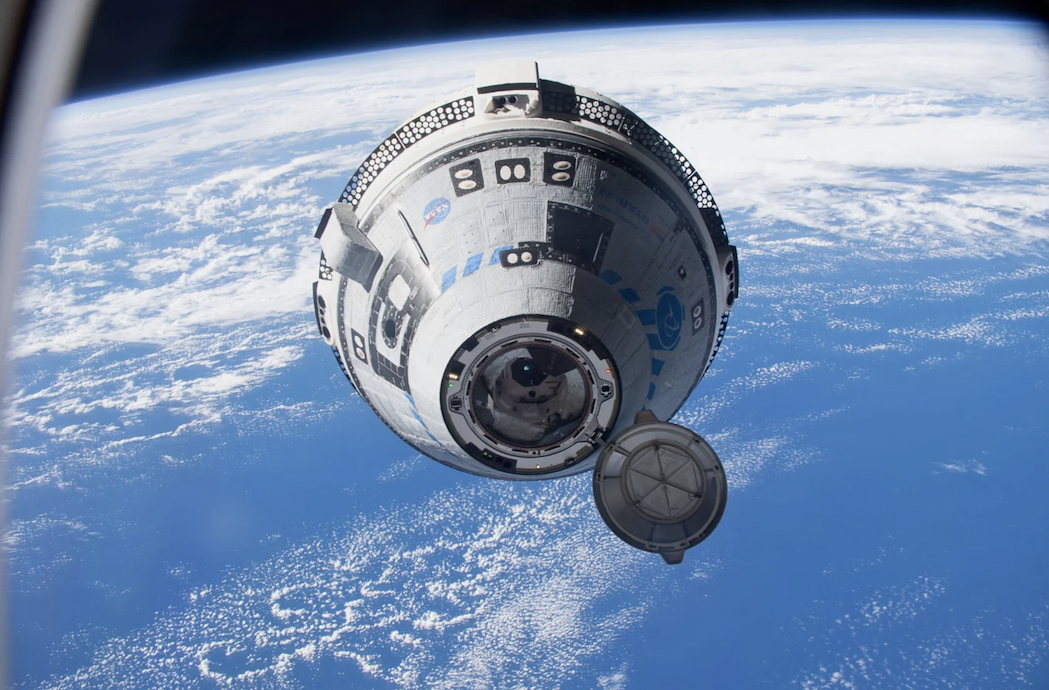
February 20, 2026—NASA released a report on how ISS astronauts got stranded. Plus, how we map our social connections, a blood test that could show when Alzheimer's will strike, today's science quiz and more. —Emma Gometz, Newsletter Editor | | Boeing's CST-100 Starliner ship approaches the International Space Station during the uncrewed Orbital Flight Test 2 mission on May 20, 2022. NASA | | - NASA outlines the litany of failures that led to the Boeing Starliner stranding two astronauts on the ISS last year. | 2 min read
- The Trump administration has rolled back environmental regulations that were intended to prevent mercury pollution. | 3 min read
- Listen to the haunting song of the oldest-known recording of a whale. | 2 min read
- Libraries full of tiny glass "books" could store our data for millennia. | 3 min read
- Why Trump's order to release federal files about aliens isn't helping the search for extraterrestrial life. | 5 min read
- Even baby chicks associate words that sound like "bouba" with soft shapes and "kiki" with pointy shapes. | 3 min read
- Join the discussion: Columnist Phil Plait worked out how big a telescope aliens would need for them to see life on Earth. If they're far enough away, they'd be looking at the dinosaurs! Do you think aliens are watching us? Read the article and scroll down to the tan box and click "Join the Discussion." | 5 min read
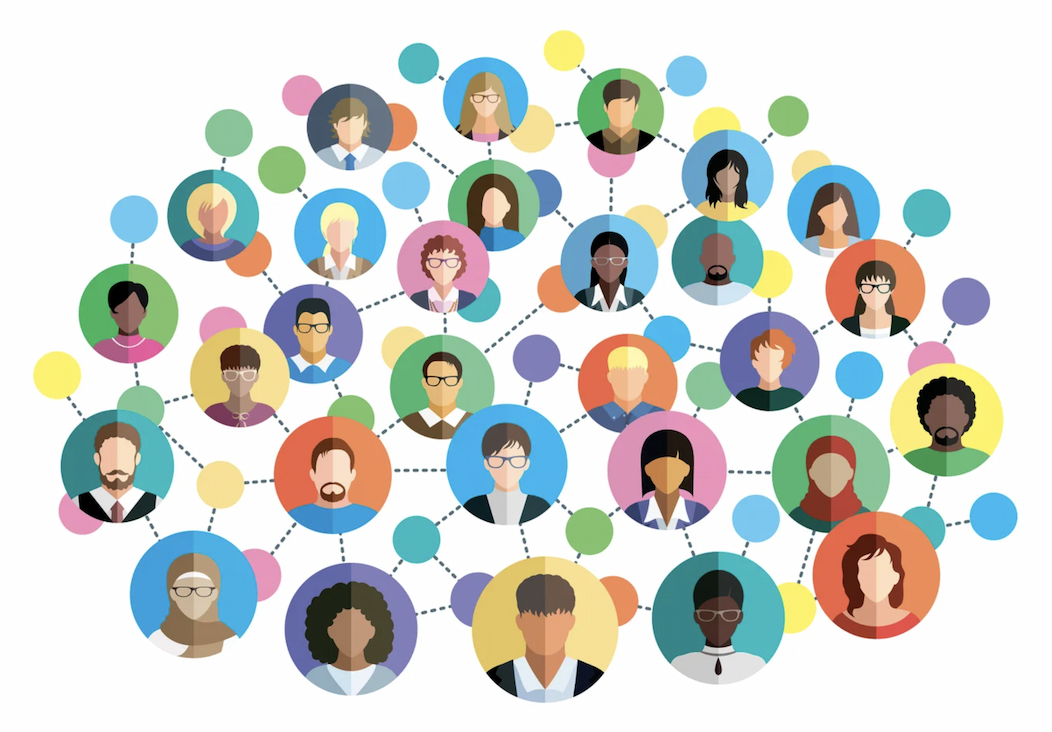
| | The human mind's representations of the social world, called cognitive maps, shape many crucial social skills. A set of studies found that a person's social influence is indicated by how well they assemble such social maps in their head. For example, if a person can name not only their friends, but also their friends' friends and how everyone is connected, they're likely to be more well-connected themselves. Why this matters: The team's research unlocks a few hacks for the "social skills" game. For instance, gossip is a common way to bond with others. Those who are well-connected socially might be able to better tell who's appropriate to gossip with, and who might be offended by a little talk. They can also tell how information might spread, and where there might be an "in" within certain interesting friend groups. What the experts say: Social networking isn't all about leveraging power between friends; it's also about being the glue that brings people closer. "The more strongly these maps are encoded in the brain, the better people are at brokering ties that knit their communities together," says Oriel FeldmanHall, the study author and neuroscientist at Brown University. | | A new study showed how scientists can use blood tests to predict when Alzheimer's disease may strike. Researchers gave more than 600 people blood tests to detect a protein called p-tau217, which accumulates in the brains of people with Alzheimer's. Then, they used a statistical model to predict at what age cognitive decline would start showing (within a few years' accuracy). Why this matters: More than seven million people in the U.S. are living with Alzheimer's. Early intervention can help patients manage their symptoms, but there is no cure. Two drugs have been approved that can slow the rate of progression in some people when the disease is caught early. Detecting when the condition may show up may be key to treating it. What the experts say: Researchers emphasize that these tests shouldn't be used by people who don't have signs of cognitive decline. The error margin is pretty wide (three to four years), and these tests haven't been tried on enough people to see how often false positives occur. "There are still many unanswered questions about how these blood tests perform in diverse populations," says Corey Bolton, a clinical neuropsychologist at Vanderbilt University Medical Center, who was not involved in the study. | | | | |
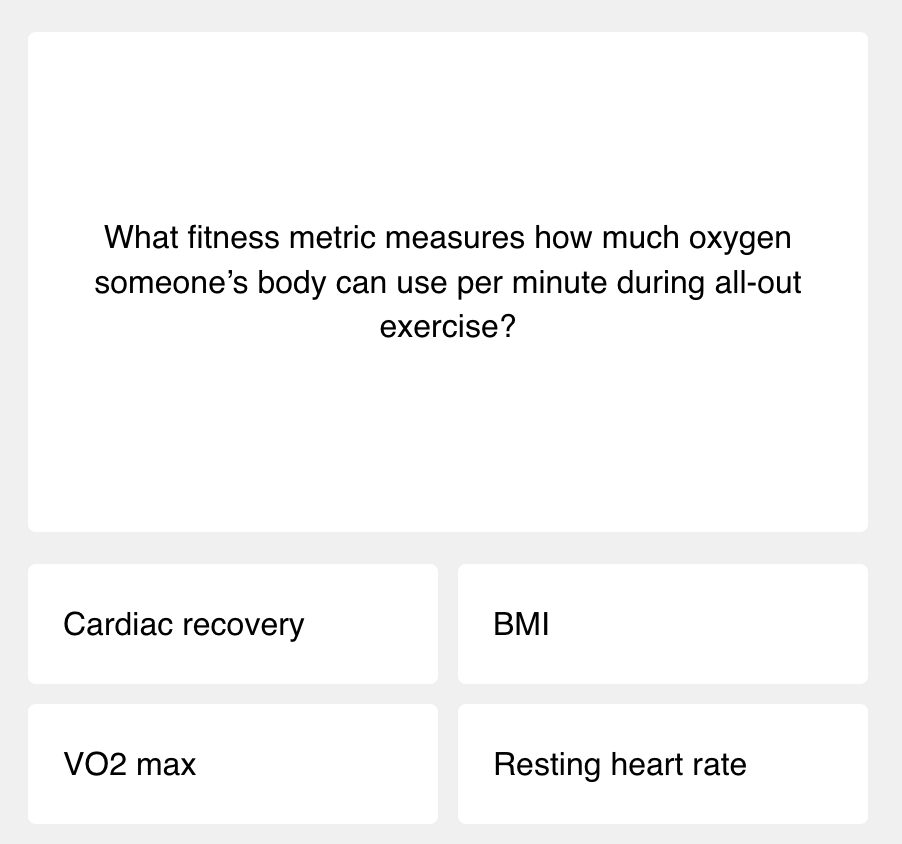
Do you know the answer to the first question of today's science quiz? Also, don't miss today's Spellements. This week, three readers spotted skink, which was missing from last week's puzzle's solutions. If you find any bonus science terms from today's Spellements, please email them to games@sciam.com and we'll share them next week! | | MOST POPULAR STORIES OF THE WEEK | | - Exotic black hole stars could explain the mystery of Little Red Dots | 14 min read
- The mathematical mystery inside the legendary '90s shooter Quake 3 | 6 min read
- Mountain photographer stumbles on one of the largest ever collections of Triassic dinosaur prints | 1 min read
| | I'm happy that NASA published a full report taking accountability for what happened with Suni Williams and Butch Wilmore, the two astronauts stranded in space for nine months. Whenever things go wrong, being forthcoming about exactly how it happened is a great way to prepare for next time. And not a moment too soon—another big mission will be kicking off in just a couple weeks! | | Thanks for reading this newsletter up until the very end. Please send any cool ideas, comments or feedback to: newsletters@sciam.com. See you next week. —Emma Gometz, Newsletter Editor
| | | | |
Subscribe to this and all of our newsletters here. | | | | |




Comments
Post a Comment