Plus, the Year of the Horse and dino footprints discovered ͏ ͏ ͏ ͏ ͏ ͏ ͏ ͏ ͏ ͏ ͏ ͏ ͏ ͏ ͏ ͏ ͏ ͏ ͏ ͏ ͏ ͏ ͏ ͏ ͏ ͏ ͏ ͏ ͏ ͏ ͏ ͏ ͏ ͏ ͏ ͏ ͏ ͏ ͏ ͏ ͏ ͏ ͏ ͏ ͏ ͏ ͏ ͏ ͏ ͏ ͏ ͏ ͏ ͏ ͏ ͏ ͏ ͏ ͏ ͏ ͏ ͏ ͏ ͏ ͏ ͏ ͏ ͏ ͏ ͏ ͏ ͏ ͏ ͏ ͏ ͏ ͏ ͏ ͏ ͏ ͏ ͏ ͏ ͏ ͏ ͏ ͏ ͏ ͏ ͏ ͏ ͏ ͏ ͏ ͏ ͏ ͏ ͏ ͏ ͏ ͏ ͏ ͏ ͏ ͏ ͏ ͏ ͏ ͏ ͏ ͏ ͏ ͏ ͏ ͏ ͏ ͏ ͏ ͏ ͏ ͏ ͏ ͏ ͏ ͏ ͏ ͏ ͏ ͏ ͏ ͏ ͏ ͏ ͏ ͏ ͏ ͏ ͏ ͏ ͏ ͏ ͏ ͏ ͏ ͏ ͏ ͏ ͏ ͏ ͏
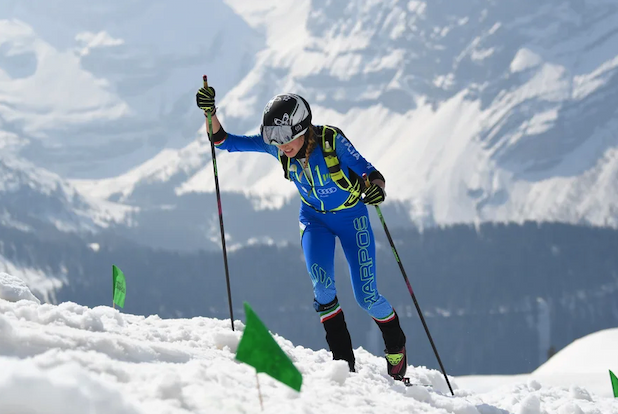
February 18, 2026—Welcome to the year of the horse. Plus, a treasure trove of dino footprints, and the EPA is getting sued. —Andrea Gawrylewski, Chief Newsletter Editor | | Alba de Silvestro in action during ski mountaineering individual World Cup finals on March 28, 2021 in Madonna Di Campiglio, Italy. Davide Mombelli - Corbis/Corbis via Getty Images | | -
VO2 max is an important measure of aerobic conditioning, especially for Olympic ski mountaineering, but for normal human health, too. Here's how it works. | 4 min read
- After initially rejecting Moderna's application for review, in a dramatic reversal the FDA will now consider the company's mRNA flu shot. | 2 min read
- Medical and environmental groups are suing the EPA over the agency's decision to scrap its landmark climate "endangerment" policy. | 2 min read
- Deep within the source code of the online multiplayer game Quake 3 lies an enigmatic number that fascinates mathematicians. | 6 min read
-
Compound weight-loss drugs are everywhere. The FDA is cracking down and recently withdrew Hims & Hers' GLP-1 pills from the market. Here's why. | 6 min read
- Scientists may have just solved the mystery of what's happening beneath Greenland's ice sheet. | 2 min read
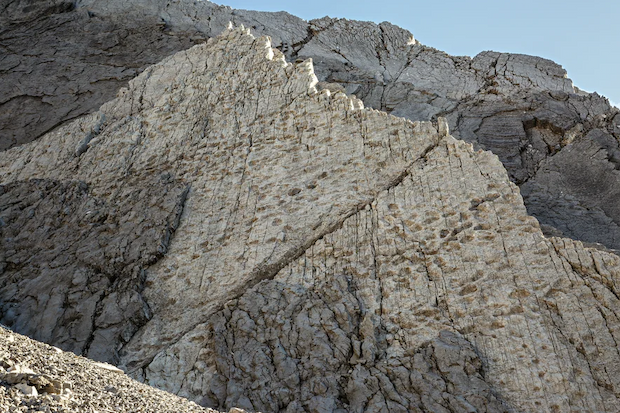
| | Science matters! Support science you can trust and stories that matter with a subscription to Scientific American. Check out our latest sale! | | This week is the start of the Lunar New Year and it's the Year of the Horse! What better way to celebrate than with a couple of scientific horse facts? Do I hear any neighs? (The whinnies have it.) Social animals: Horses naturally form social groups, even when set loose from their human companions or in wild herds. Their preferred herds consist of one male and a few females, and then a squad of young males off to the side. Hooves are cool: To comfortably walk on paved roads, horses need shoes. But in the wild, they don't need anything protecting their hooves, they work best on softer ground and change, depending on the season. Creative communication: Yes, horses neigh, but they also whinny, nicker, huff, and squeal. Scientists are just beginning to unravel the complexity within these vocalizations. Why this matters: Horses have lived alongside humans for centuries. Domesticated horses carried ancient civilizations to their heights, becoming vehicles, icons, and friends. Today's wild horses, such as the Przewalski's, are the subject of conservation projects that are experiencing varying degrees of success. —Emma Gometz, newsletter editor | | About 2,000 fossil footprints appear on this part of the mountain site's walls, researchers say. Elio Della Ferrera/PaleoStelvio Arch. (PNS, MSNM, SABAP CO-LC) | | Last September a photographer traipsing through the Fraele Valley of Stelvio National Park high in the Italian Alps spotted thousands of dinosaur tracks on the sides of rock faces in the surrounding mountains. Some of the footprints, spanning as many as 40 centimeters across, date back about 210 million years, making the newly identified site one of the richest deposits of Triassic dinosaur tracks in the world. Why this is interesting: In a preliminary study, Cristiano Dal Sasso of the Natural History Museum of Milan, who is leading the investigation of the site, and his team, deduced that the prints were made by herds of large, herbivorous dinosaurs, probably prosauropods, ancestors of Jurassic sauropods such as Brontosaurus. The tracks likely formed when dinosaurs walked across muddy tidal flats along the shores of the prehistoric Tethys Ocean, long before the Alps rose up.
What the experts say: "It took me a few seconds to realize the photos were real," Dal Sasso says. "Now we can go back in time and study the evolution of dinosaurs in this place."
| | | | |
BROUGHT TO YOU BY SCIENTIFIC AMERICAN | | Join Scientific American for an insightful conversation on the trends and innovations shaping AI in the year ahead. Editor in Chief David M. Ewalt, technology editor Eric Sullivan, and technology writer Deni Ellis Béchard will share their perspectives on what's next—and who wins and who loses—in the age of AI. | | | | |
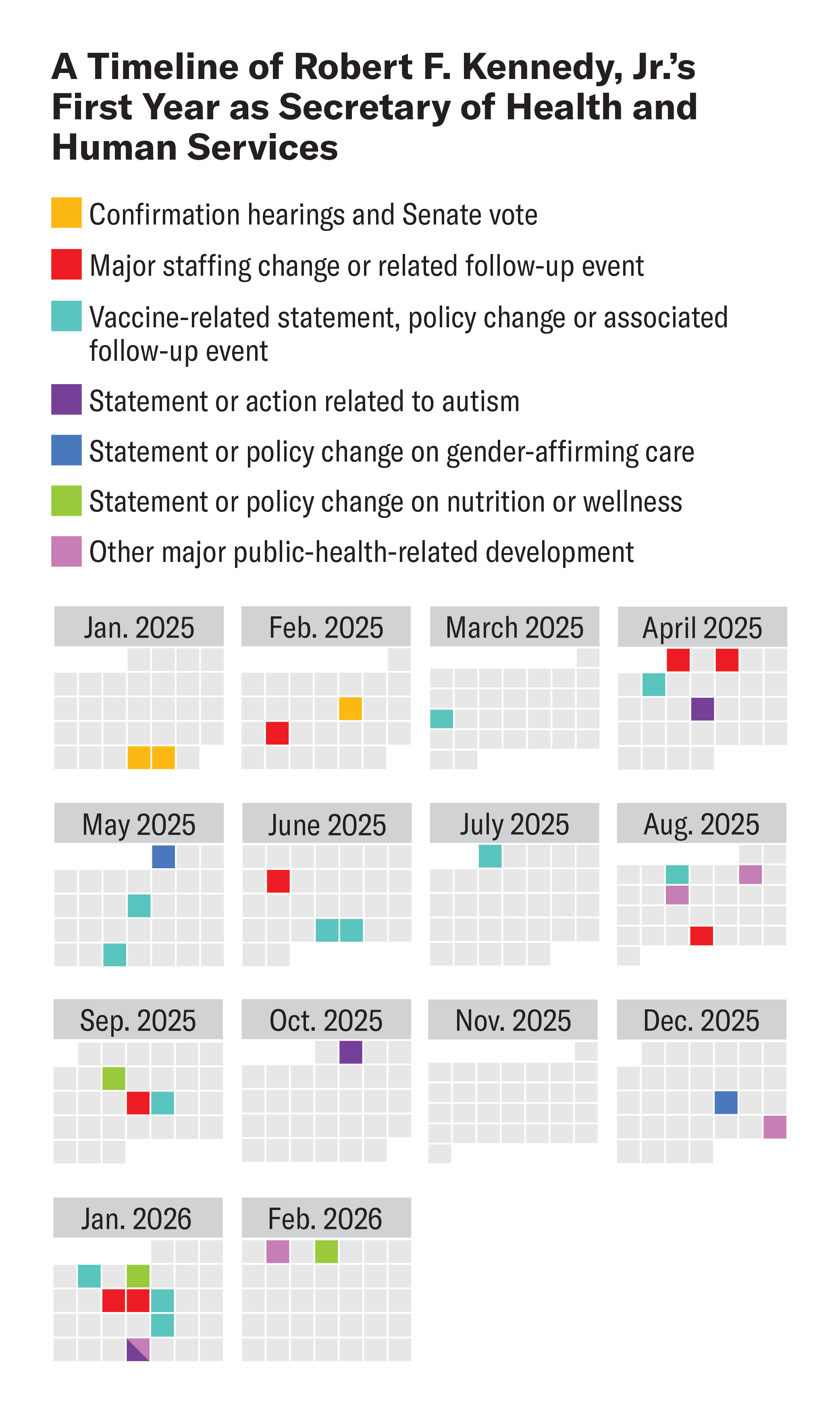
It's been a year with Robert F. Kennedy, Jr. at the head of the $1.7 trillion U.S. Department of Health and Human Services. During his tenure so far, he has slashed the U.S. childhood vaccine program, reducing the number of recommended shots to protect against 11 diseases instead of 17; fired thousands of public servants (many of them scientists), and replaced standard-setting scientific practices at the Centers for Disease Control and Prevention, Food and Drug Administration and National Institutes of Health with "gold-standard" dictates that scientists call dishonest. We've mapped the timeline of all these actions in infographics (by Amanda Montañez), accompanied by a thorough accounting of their impacts, written by my colleague Dan Vergano. I recommend you spend some time with this article. | | - A harrowing, if hypothetical, telling of how measles spreads among kids. And yes, it's based in science. | The Atlantic
- This AI companion helps seniors live alone in their homes. | The New York Times
- A thread on the social media platform Bluesky by science writer Peter Brannen on the geology of how the Italian Alps formed more than 200 million years ago. | Bluesky
| | Several of you sent me some very astute and thoughtful responses to the answer that ChatGPT gave me yesterday when I asked it about the biggest risks to humans as AI gets more and more integrated into daily life. One reader found the response very "rational and well-informed." That struck me as an interesting observation—that a machine, trained on the sum of human digital knowledge, could be deemed rational, which is how one might describe someone who is calm and reasonable. Let's keep the conversation going. Tell us how you use AI and what you think about it being everywhere by reading this article, scrolling down to the tan box and clicking "Join the discussion." And tomorrow be sure to join a conversation about AI in the modern world, hosted by our editor in chief. It promises to be fascinating. | | —Andrea Gawrylewski, Chief Newsletter Editor
| | | | |
Subscribe to this and all of our newsletters here. | | | | |





Comments
Post a Comment