We investigate the technical reasons the paint on the Reflecting Pool is peeling off ͏ ͏ ͏ ͏ ͏ ͏ ͏ ͏ ͏ ͏ ͏ ͏ ͏ ͏ ͏ ͏ ͏ ͏ ͏ ͏ ͏ ͏ ͏ ͏ ͏ ͏ ͏ ͏ ͏ ͏ ͏ ͏ ͏ ͏ ͏ ͏ ͏ ͏ ͏ ͏ ͏ ͏ ͏ ͏ ͏ ͏ ͏ ͏ ͏ ͏ ͏ ͏ ͏ ͏ ͏ ͏ ͏ ͏ ͏ ͏ ͏ ͏ ͏ ͏ ͏ ͏ ͏ ͏ ͏ ͏ ͏ ͏ ͏ ͏ ͏ ͏ ͏ ͏ ͏ ͏ ͏ ͏ ͏ ͏ ͏ ͏ ͏ ͏ ͏ ͏ ͏ ͏ ͏ ͏ ͏ ͏ ͏ ͏ ͏ ͏ ͏ ͏ ͏ ͏ ͏ ͏ ͏ ͏ ͏ ͏ ͏ ͏ ͏ ͏ ͏ ͏ ͏ ͏ ͏ ͏ ͏ ͏ ͏ ͏ ͏ ͏ ͏ ͏ ͏ ͏ ͏ ͏ ͏ ͏ ͏ ͏ ͏ ͏ ͏ ͏ ͏ ͏ ͏ ͏ ͏ ͏ ͏ ͏ ͏ ͏
June 23, 2026—We talked to former astronaut and U.S. Senator Mark Kelly about the state of American science. See what he has to say. Plus, an investigation into the real reason the Reflecting Pool is peeling. Lastly, please scroll down for an important programming note about this newsletter!
—Andrea Gawrylewski
Chief Newsletter Editor
|
|
Kevin Dietsch/Getty Images
|
|
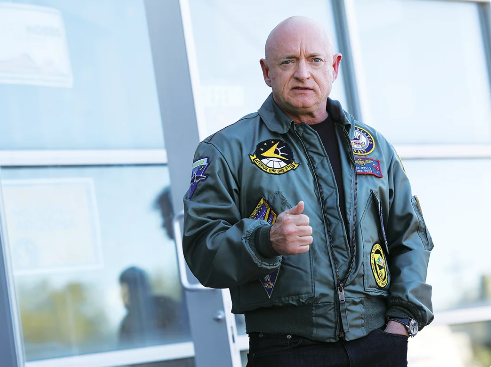
Mark Kelly on U.S. Science
In the July/August issue of Scientific American our editors sat down with some prominent figures in science and asked them how they would gauge the state of American science, and what fixes need to be made.
We spoke to former NASA astronaut and Arizona Senator Mark Kelly. Kelly earned a bachelor’s degree in marine engineering and nautical science and a master’s degree in aeronautical engineering. In 1996 Kelly was selected as an astronaut, and he has spent more than 50 days in space, traveling more than 20 million miles. Here's an excerpt from that conversation.
Scientific American: How would you describe the current state of American science?
Mark Kelly: From a standpoint of still having great scientists and being the world’s best innovators and inventors, I would give us high marks. My concern is that we have some folks in government who don’t believe in science and don’t believe in the investments that need to be made for us to stay in that leadership position.
We’ve got the world’s biggest economy, in my view, not because of real estate developers but because of science and decades and decades of the federal government investing in research and education—especially the education of scientists and engineers and the funding of Ph.D. programs, as well as our investment in our national laboratories.
I think all that together has been an incredible gift to the U.S., and now we see that being rolled back, and it’s really a big concern of mine.
SA: What gives you optimism right now?
MK: I think despite the challenges we face from government officials who really just don’t believe in the scientific method and the value of science, we still are a place that attracts some of the best scientists in the world.
Now that’s starting to change. We’re seeing scientists go to China because that’s where the investments are being made. But so far I think we’re still well positioned.
|
|
|
|
|
Thank you for being a valued reader of Today in Science! We will be taking a short scheduling break over the coming days while some things get sorted out behind the scenes. Fear not, we shall return soon, so keep your eyes on your inbox.
|
|
In the meantime, you can send any questions, comments or thoughts about science to: newsletters@sciam.com.
—Andrea Gawrylewski, Chief Newsletter Editor
|
|
|
|
|
Subscribe to this and all of our newsletters here.
|
|
|
|
|




Comments
Post a Comment