Inside black holes, Milky Way origins, the first stars and more! ͏ ͏ ͏ ͏ ͏ ͏ ͏ ͏ ͏ ͏ ͏ ͏ ͏ ͏ ͏ ͏ ͏ ͏ ͏ ͏ ͏ ͏ ͏ ͏ ͏ ͏ ͏ ͏ ͏ ͏ ͏ ͏ ͏ ͏ ͏ ͏ ͏ ͏ ͏ ͏ ͏ ͏ ͏ ͏ ͏ ͏ ͏ ͏ ͏ ͏ ͏ ͏ ͏ ͏ ͏ ͏ ͏ ͏ ͏ ͏ ͏ ͏ ͏ ͏ ͏ ͏ ͏ ͏ ͏ ͏ ͏ ͏ ͏ ͏ ͏ ͏ ͏ ͏ ͏ ͏ ͏ ͏ ͏ ͏ ͏ ͏ ͏ ͏ ͏ ͏ ͏ ͏ ͏ ͏ ͏ ͏ ͏ ͏ ͏ ͏ ͏ ͏ ͏ ͏ ͏ ͏ ͏ ͏ ͏ ͏ ͏ ͏ ͏ ͏ ͏ ͏ ͏ ͏ ͏ ͏ ͏ ͏ ͏ ͏ ͏ ͏ ͏ ͏ ͏ ͏ ͏ ͏ ͏ ͏ ͏ ͏ ͏ ͏ ͏ ͏ ͏ ͏ ͏ ͏ ͏ ͏ ͏ ͏ ͏ ͏
Dear Friend of Scientific American,
|
|
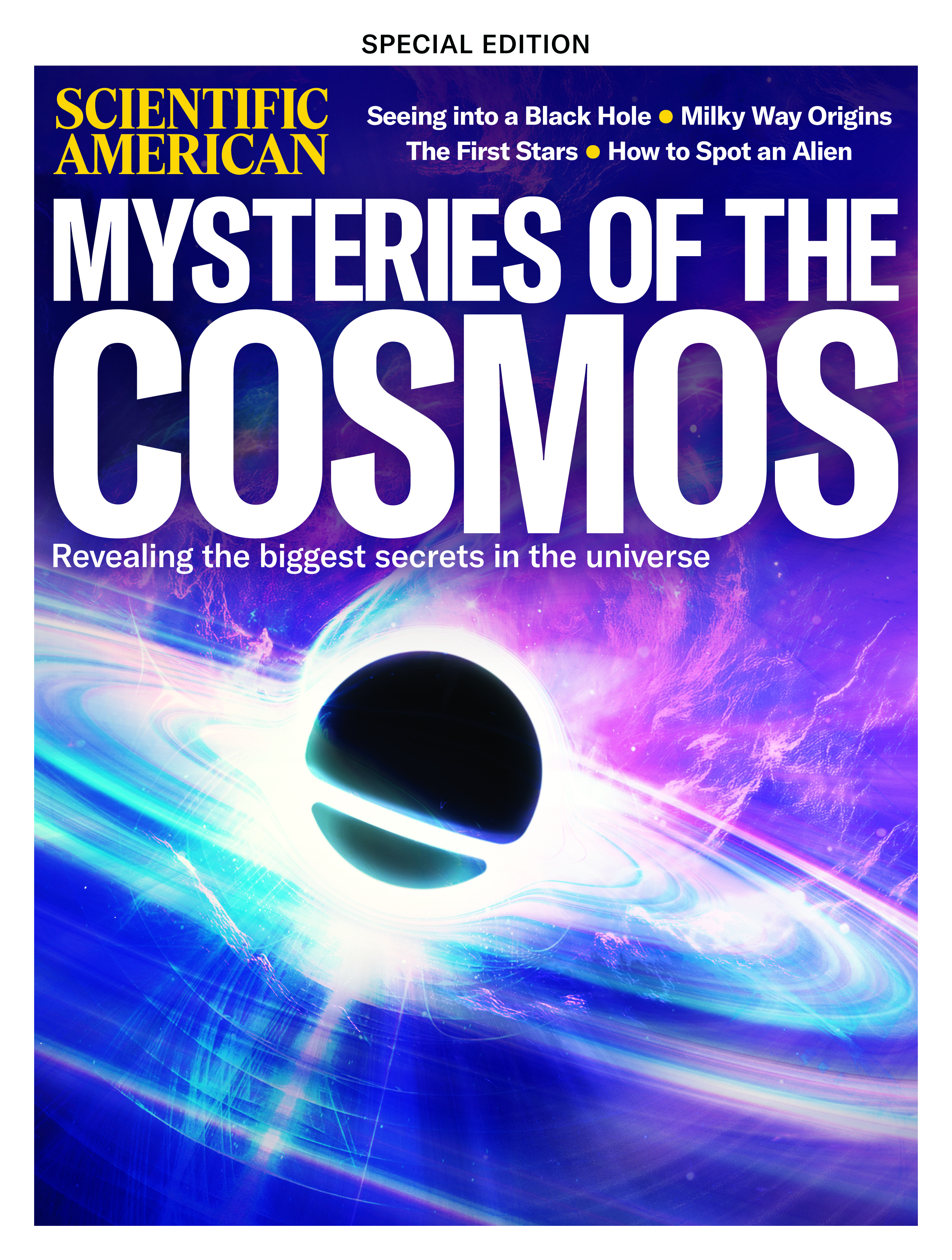
“Most of the matter in our universe is invisible,” writes Tracy R. Slatyer and Tim M. P. Tait in this special edition on the greatest mysteries in the cosmos. The two physicists have been looking for the bulk of the universe but keep missing it. That bulk is called dark matter. “We have every reason to believe dark matter is everywhere. Yet we still don’t know what it is,” Slayter and Tait lament.
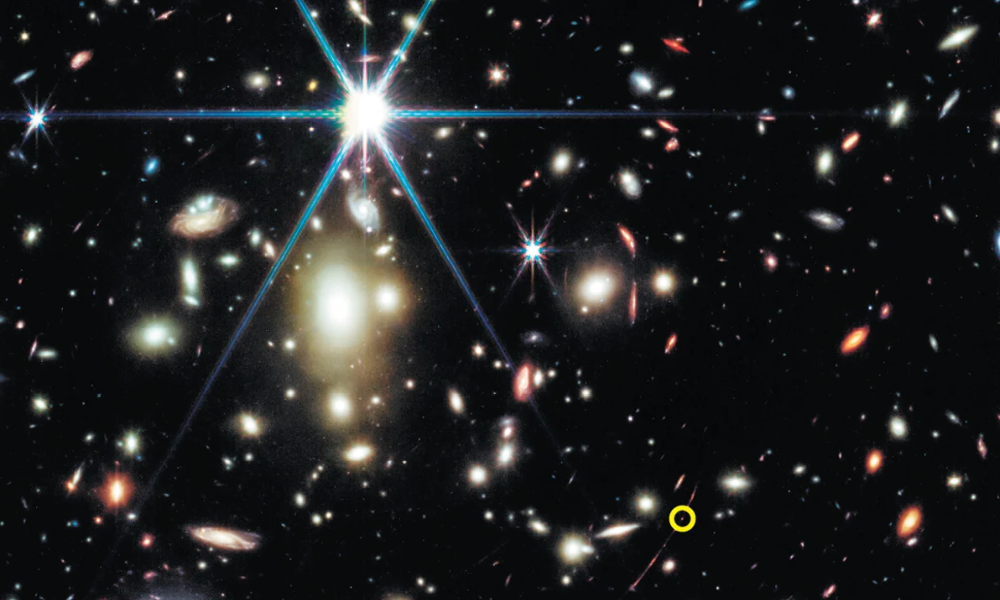
It’s not that scientists don’t have answers for these puzzles. They have a lot of them. The big task now is to figure out which one is right. Amazing new instruments such as the James Webb Space Telescope (JWST) are helping. So, too, are the growing number of people who have been to outer space, recently joined by the crew of the thrilling Artemis II mission. All have something in common: a human desire to answer questions about everything in the universe.
|
|
All the best,
Josh Fischman
Issue Editor
|
|
|
|
|
You received this email because you opted in to receive email from Scientific American or you have registered for an account with Scientific American.
To ensure delivery please add news@scientificamerican.com to your address book.
|
|
|
|
|







Comments
Post a Comment