Quantum computers, Artemis, the Roman Empire, and more! ͏ ͏ ͏ ͏ ͏ ͏ ͏ ͏ ͏ ͏ ͏ ͏ ͏ ͏ ͏ ͏ ͏ ͏ ͏ ͏ ͏ ͏ ͏ ͏ ͏ ͏ ͏ ͏ ͏ ͏ ͏ ͏ ͏ ͏ ͏ ͏ ͏ ͏ ͏ ͏ ͏ ͏ ͏ ͏ ͏ ͏ ͏ ͏ ͏ ͏ ͏ ͏ ͏ ͏ ͏ ͏ ͏ ͏ ͏ ͏ ͏ ͏ ͏ ͏ ͏ ͏ ͏ ͏ ͏ ͏ ͏ ͏ ͏ ͏ ͏ ͏ ͏ ͏ ͏ ͏ ͏ ͏ ͏ ͏ ͏ ͏ ͏ ͏ ͏ ͏ ͏ ͏ ͏ ͏ ͏ ͏ ͏ ͏ ͏ ͏ ͏ ͏ ͏ ͏ ͏ ͏ ͏ ͏ ͏ ͏ ͏ ͏ ͏ ͏ ͏ ͏ ͏ ͏ ͏ ͏ ͏ ͏ ͏ ͏ ͏ ͏ ͏ ͏ ͏ ͏ ͏ ͏ ͏ ͏ ͏ ͏ ͏ ͏ ͏ ͏ ͏ ͏ ͏ ͏ ͏ ͏ ͏ ͏ ͏ ͏
Dear Friend of Scientific American,
|
|
The codes that encrypt your online banking are so hard to break that every computer on the planet working together would need longer than the age of the universe to brute-force them apart. But a quantum computer could steal your mortgage payment in just a couple hours.
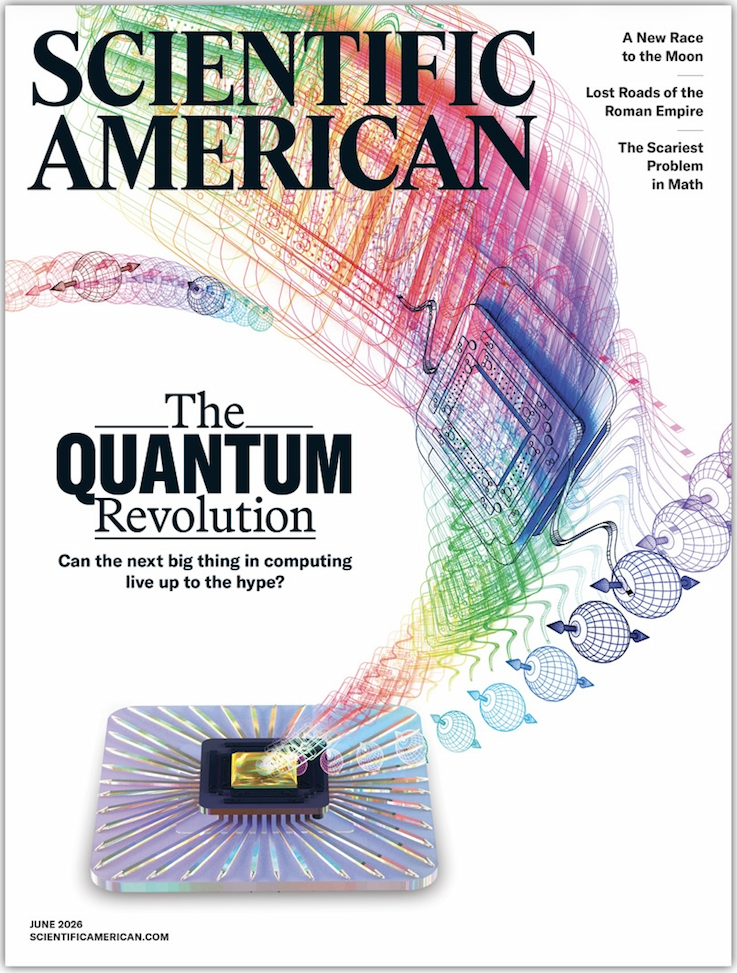
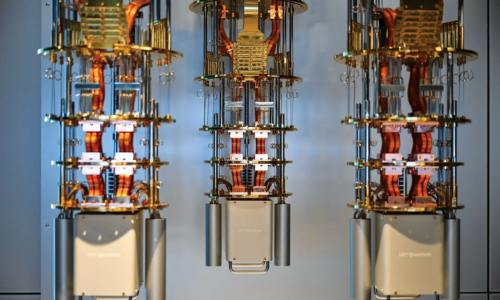
Of course, there’s a catch: Despite huge advances in the field, we don’t actually know how to build a functionally useful quantum computer or even if it's possible at all. In the new issue of Scientific American, you can take a look inside the cryogenically chilled heart of quantum computing to find out.
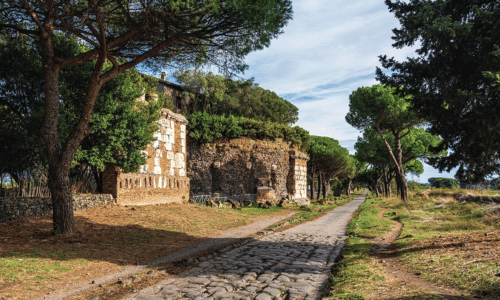
Finally, after all that looking forward to the future, stroll down the roads of our ancient past and journey through a digital mapping project that is transforming what we know about the Roman Empire.
|
|
Chase wonder, catch truth,
David M. Ewalt
Editor in Chief
|
|
|
|
|
You received this email because you opted in to receive email from Scientific American or you have registered for an account with Scientific American.
To ensure delivery please add news@scientificamerican.com to your address book.
|
|
|
|
|




Comments
Post a Comment