Up to 50% off for a limited time! ͏ ͏ ͏ ͏ ͏ ͏ ͏ ͏ ͏ ͏ ͏ ͏ ͏ ͏ ͏ ͏ ͏ ͏ ͏ ͏ ͏ ͏ ͏ ͏ ͏ ͏ ͏ ͏ ͏ ͏ ͏ ͏ ͏ ͏ ͏ ͏ ͏ ͏ ͏ ͏ ͏ ͏ ͏ ͏ ͏ ͏ ͏ ͏ ͏ ͏ ͏ ͏ ͏ ͏ ͏ ͏ ͏ ͏ ͏ ͏ ͏ ͏ ͏ ͏ ͏ ͏ ͏ ͏ ͏ ͏ ͏ ͏ ͏ ͏ ͏ ͏ ͏ ͏ ͏ ͏ ͏ ͏ ͏ ͏ ͏ ͏ ͏ ͏ ͏ ͏ ͏ ͏ ͏ ͏ ͏ ͏ ͏ ͏ ͏ ͏ ͏ ͏ ͏ ͏ ͏ ͏ ͏ ͏ ͏ ͏ ͏ ͏ ͏ ͏ ͏ ͏ ͏ ͏ ͏ ͏ ͏ ͏ ͏ ͏ ͏ ͏ ͏ ͏ ͏ ͏ ͏ ͏ ͏ ͏ ͏ ͏ ͏ ͏ ͏ ͏ ͏ ͏ ͏ ͏ ͏ ͏ ͏ ͏ ͏ ͏
Smarter Resolutions Start with Science
| | In 2026, don't just make resolutions—understand them. From health and habits to climate and tech, every SciAm issue brings you the science to power real change. Resolve to learn more, save up to 50% and set yourself up for your brightest year yet. | | | | |
Sale ends January 31, 2026. | | | | |
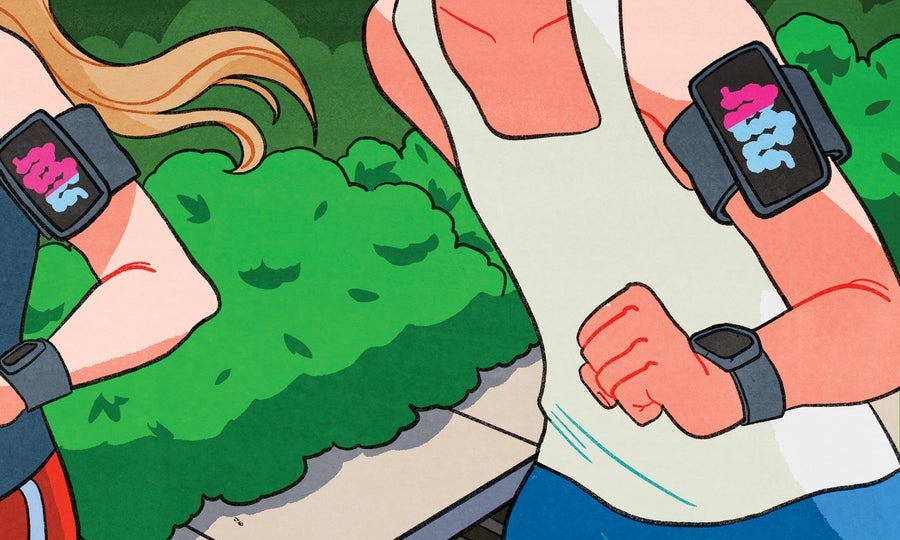
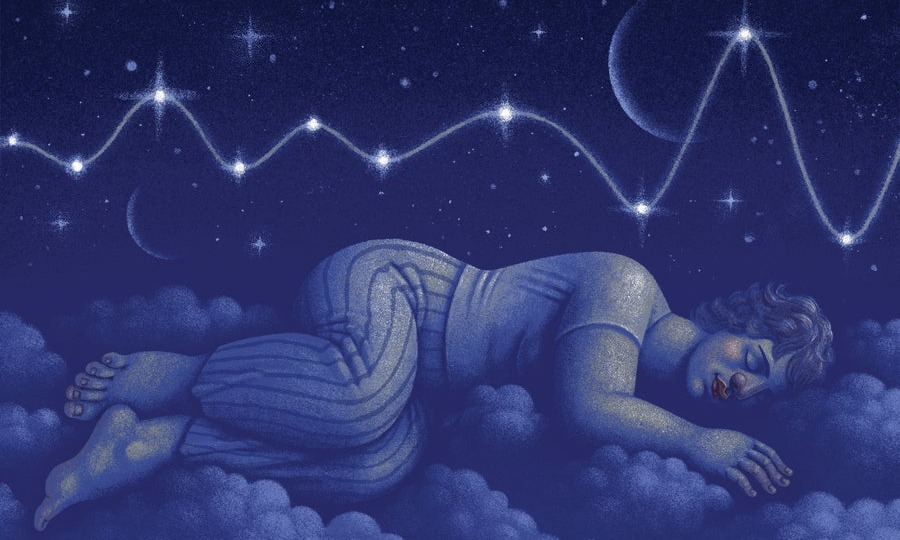
Behavioral economist Katy Milkman explains why most New Year's resolutions fail and shares how science-backed strategies can build habits that last. Read More | | A community science project finds that modest reminders to find joy in the day can have benefits that are on par with those of more ambitious well-being interventions. Read More | | A workout boosts the fitness of your gut microbiome. This creates molecules that aid your immune system, metabolism, and more. Read More | | Washing waste from the brain is an essential function of sleep—and it could help ward off dementia. Read More | | | | |
You received this email because you opted in to receive email from Scientific American or you have registered for an account with Scientific American. To ensure delivery please add specialoffers@scientificamerican.com to your address book. | | | | |





Comments
Post a Comment