Martian soil samples, postpartum depression pills, and more in the December issue ͏ ͏ ͏ ͏ ͏ ͏ ͏ ͏ ͏ ͏ ͏ ͏ ͏ ͏ ͏ ͏ ͏ ͏ ͏ ͏ ͏ ͏ ͏ ͏ ͏ ͏ ͏ ͏ ͏ ͏ ͏ ͏ ͏ ͏ ͏ ͏ ͏ ͏ ͏ ͏ ͏ ͏ ͏ ͏ ͏ ͏ ͏ ͏ ͏ ͏ ͏ ͏ ͏ ͏ ͏ ͏ ͏ ͏ ͏ ͏ ͏ ͏ ͏ ͏ ͏ ͏ ͏ ͏ ͏ ͏ ͏ ͏ ͏ ͏ ͏ ͏ ͏ ͏ ͏ ͏ ͏ ͏ ͏ ͏ ͏ ͏ ͏ ͏ ͏ ͏ ͏ ͏ ͏ ͏ ͏ ͏ ͏ ͏ ͏ ͏ ͏ ͏ ͏ ͏ ͏ ͏ ͏ ͏ ͏ ͏ ͏ ͏ ͏ ͏ ͏ ͏ ͏ ͏ ͏ ͏ ͏ ͏ ͏ ͏ ͏ ͏ ͏ ͏ ͏ ͏ ͏ ͏ ͏ ͏ ͏ ͏ ͏ ͏ ͏ ͏ ͏ ͏ ͏ ͏ ͏ ͏ ͏ ͏ ͏ ͏
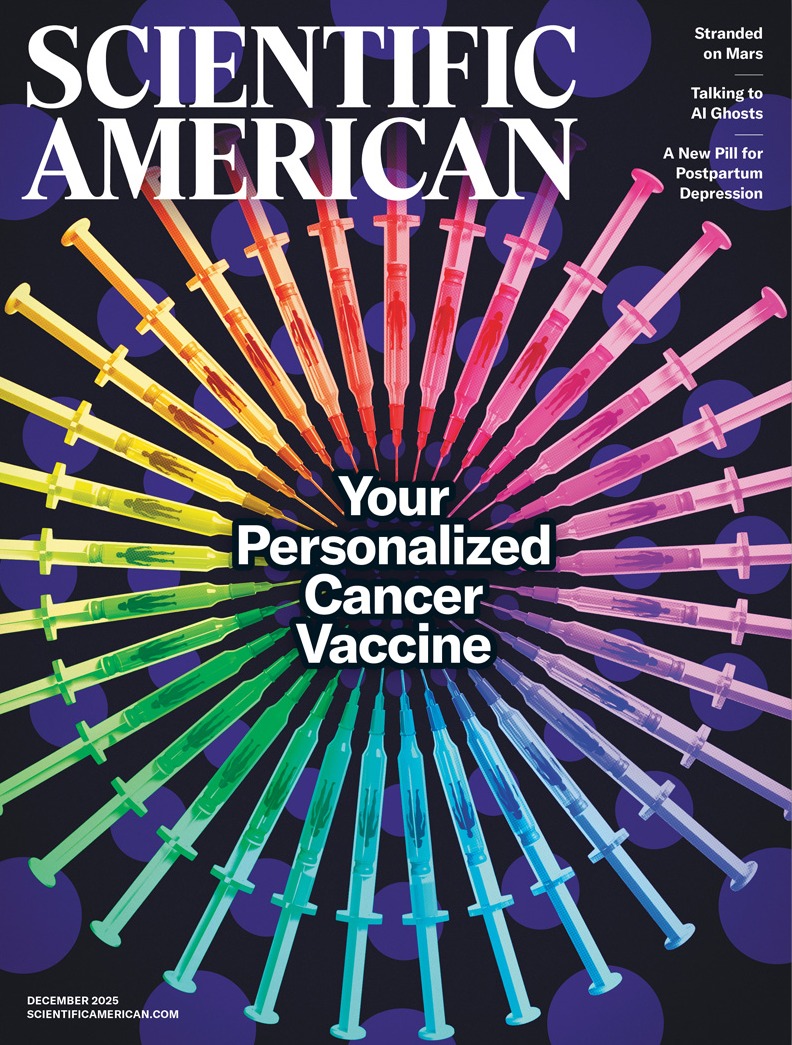
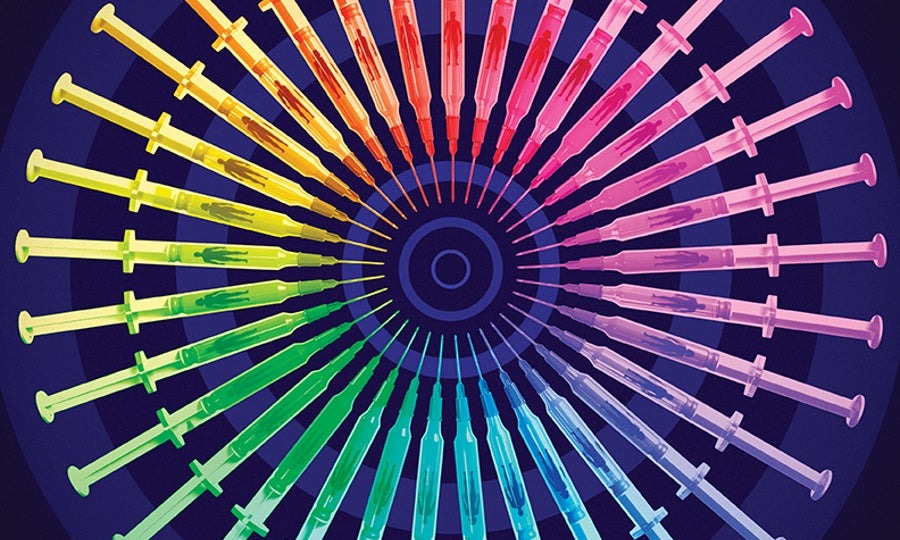
Dear Friend of Scientific American, | | Messenger RNA vaccines saved millions of lives during the COVID-19 pandemic. Now they could help prevent the second leading cause of death in the U.S. The cover story of our December issue highlights an exciting new application of mRNA technology: custom-built therapies tailored to a patient's genes that help their immune system go after tumors. In other words, personalized cancer vaccines. | | And keep an eye out for our upcoming holiday gift sale. It's your chance to share the science you love. | | Chase wonder, catch truth,
David M. Ewalt
Editor in Chief | | | | |
You received this email because you opted in to receive email from Scientific American or you have registered for an account with Scientific American. To ensure delivery please add news@scientificamerican.com to your address book. | | | | |






Comments
Post a Comment