From cosmic ambitions to crumbling hillsides—October's issue uncovers it all ͏ ͏ ͏ ͏ ͏ ͏ ͏ ͏ ͏ ͏ ͏ ͏ ͏ ͏ ͏ ͏ ͏ ͏ ͏ ͏ ͏ ͏ ͏ ͏ ͏ ͏ ͏ ͏ ͏ ͏ ͏ ͏ ͏ ͏ ͏ ͏ ͏ ͏ ͏ ͏ ͏ ͏ ͏ ͏ ͏ ͏ ͏ ͏ ͏ ͏ ͏ ͏ ͏ ͏ ͏ ͏ ͏ ͏ ͏ ͏ ͏ ͏ ͏ ͏ ͏ ͏ ͏ ͏ ͏ ͏ ͏ ͏ ͏ ͏ ͏ ͏ ͏ ͏ ͏ ͏ ͏ ͏ ͏ ͏ ͏ ͏ ͏ ͏ ͏ ͏ ͏ ͏ ͏ ͏ ͏ ͏ ͏ ͏ ͏ ͏ ͏ ͏ ͏ ͏ ͏ ͏ ͏ ͏ ͏ ͏ ͏ ͏ ͏ ͏ ͏ ͏ ͏ ͏ ͏ ͏ ͏ ͏ ͏ ͏ ͏ ͏ ͏ ͏ ͏ ͏ ͏ ͏ ͏ ͏ ͏ ͏ ͏ ͏ ͏ ͏ ͏ ͏ ͏ ͏ ͏ ͏ ͏ ͏ ͏ ͏
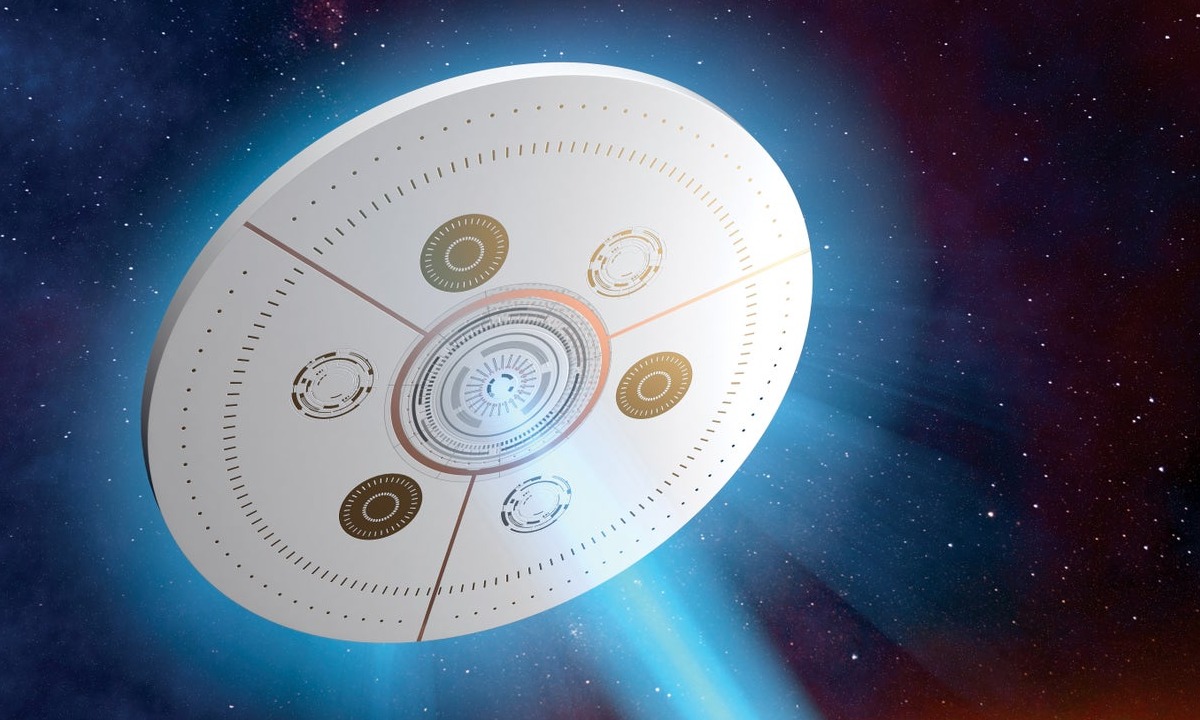
Dear Friend of Scientific American, | | In March 2007, a Scientific American cover story told the story of an exciting project called Breakthrough Starshot, which promised to use $100 million in funds supplied by Silicon Valley billionaire Yuri Milner to send a cloud of tiny spacecraft to Alpha Centauri, the closest star system to our own. More than eight years later, the new cover story for our October issue reveals that only a small portion of that money has materialized, and the project is effectively lost in space. The story, written by SciAm contributing editor Sarah Scoles, provides a fascinating look at how billionaire science can go wrong. | | Chase wonder, catch truth,
David M. Ewalt
Editor in Chief | | | | |
You received this email because you opted in to receive email from Scientific American or you have registered for an account with Scientific American. To ensure delivery please add news@scientificamerican.com to your address book. | | | | |





Comments
Post a Comment